
About four years ago, I joined a local homeschool co-op with my two children. In what I believe to be divine appointment, I was assigned to help in Mrs. Laura’s preschool room. We became friends and shared stories of our lives, and I learned that my new-found friend was a homesteader, indeed a real one, just like I had watched on tv.
Over the years, I have gained immense appreciation for her family’s way of life and why and how they do what they do, and it has been exciting to witness her growth in learning and teaching others as she goes.
Laura Lawrence, with her husband and children, own a small family farm where they grow organic produce and raise organically grown and humanely treated chickens and pigs for meat. Laura has honed her talents over the decades of experience that she has and is always seeking to grow and learn new skills. In recent years with persistent inquiry from myself and others, Laura has jumped into teaching people sustainable ways to improve their food; sharing cooking and preservation knowledge while modeling in her daily life an example of where healthy food comes from.
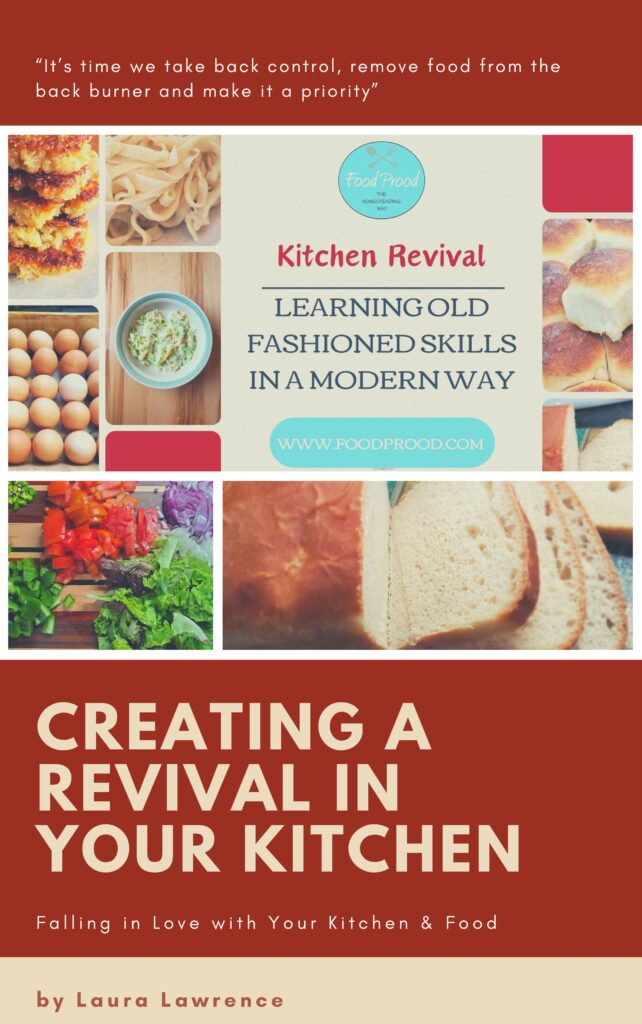
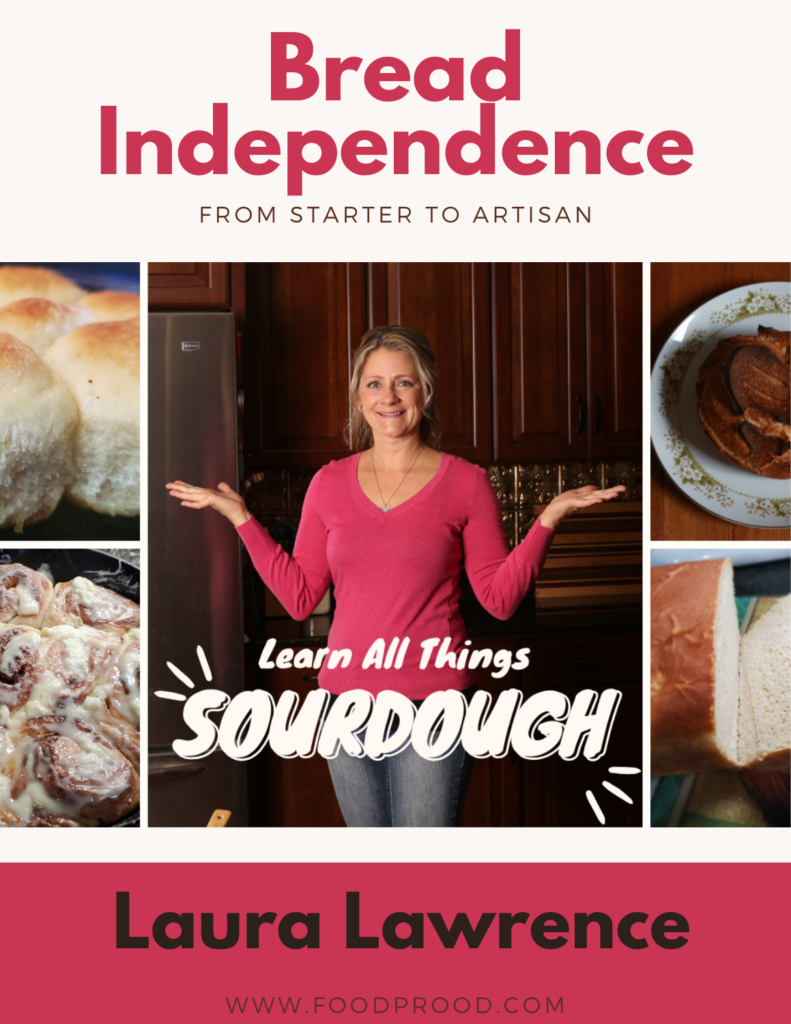
Laura created her website full of free and paid resources, created a business presence on social media, has created books from her recipes and techniques, teaches in person classes on her farm and does private consultations with others on their land to assess how to maximize their potential to grow their own food at home. Laura’s work makes her my hometown hero for a number of reasons. I am impressed by her consistency and drive to find ways to make sure that her family has access to the healthiest food available to them.
Having a farm of this nature is time and labor intensive, and she always has a plan for what is ahead as she works in the current season that she is in. Caring for animals in humane ways includes the children personally handling baby pigs and being in contact with the animals on a daily basis. From birth to butchering, each animal is fed a varied nutritious diet and is allowed free range in a rotating large pen for the pigs, and wide open grazing for her chickens.
Leaving the farm for any amount of time can be stressful and is rare because they make sure that the animals are fed and watered regularly and do not go without their needs being met. This type of animal shepherding creates a different kind of end product meat, not full of cortisol due to stress and synthetic chemicals from feed or medicines, which have been documented to have detrimental effects on humans. It wasn’t until I started consuming meat that was raised and handled this way and then consumed meat from the grocery store, that I understood that there was a taste and digestion difference. Supporting her family’s work and purchasing meat from them also feels good to know that I am supporting a family being able to sustain themselves.
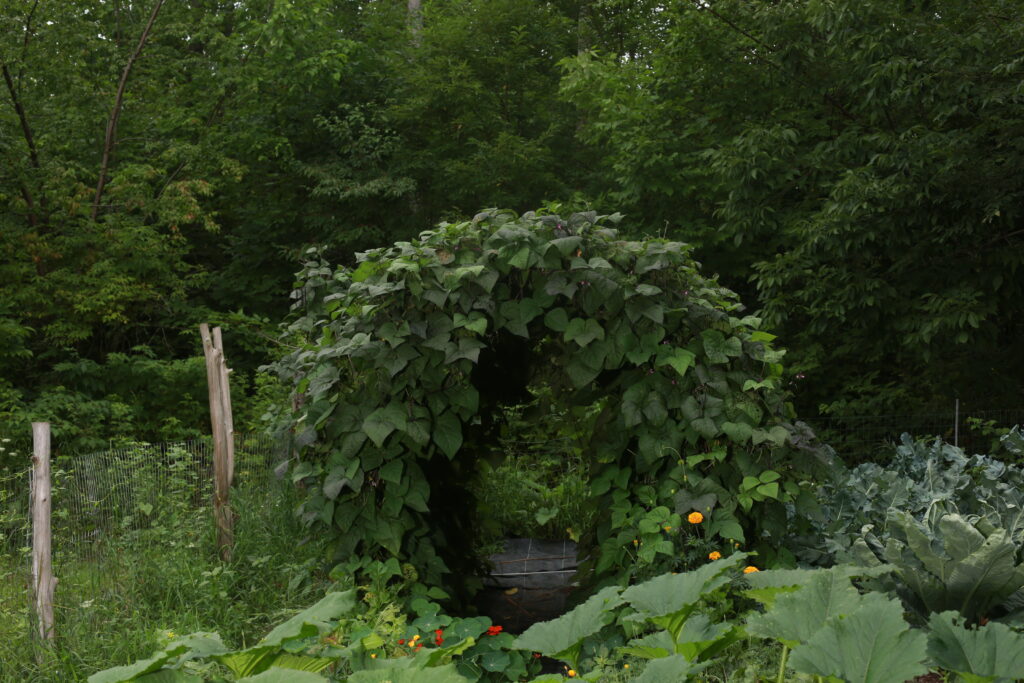
Laura has taught me that gardening does not have to be intimidating and that it can start as simple as a potted tomato plant on my deck. I started with raised beds and containers and moved to a full garden that has doubled in size for three years- and I would not have started without her encouragement to “just do it-just get started”. Laura teaches seed saving techniques, how to cultivate and problem solve for maximum plant growth and yield, how to improve soil condition, harvesting and preserving produce. She makes her own tinctures and is always expanding her knowledge of medicinal herbs and their uses.
Organic farming practices show overall better yields and pest resistance, and Laura takes these practices further by adding in regenerative farming practices by changing the area that her animals are roaming, always allowing for free foraging. The pigs and chickens in return nourish the soil with manure and trodding through the gardens that are opened to them. The chickens are well fed and when egg shells aren’t used for composting, they go back to the chickens who happily ingest them, which provides nutrition for the chicken, and the cycle continues, farm fresh eggs from the Lawrences show a noticeable difference in flavor and color.
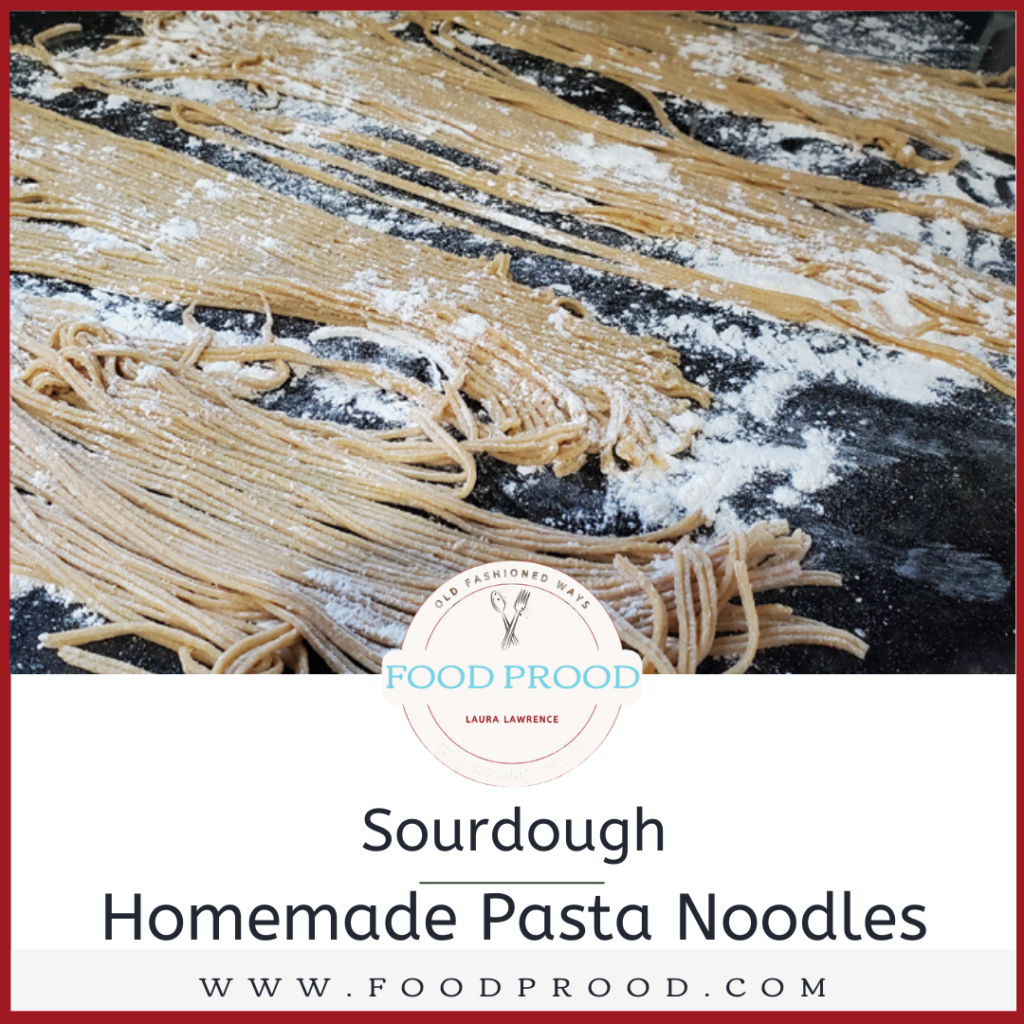
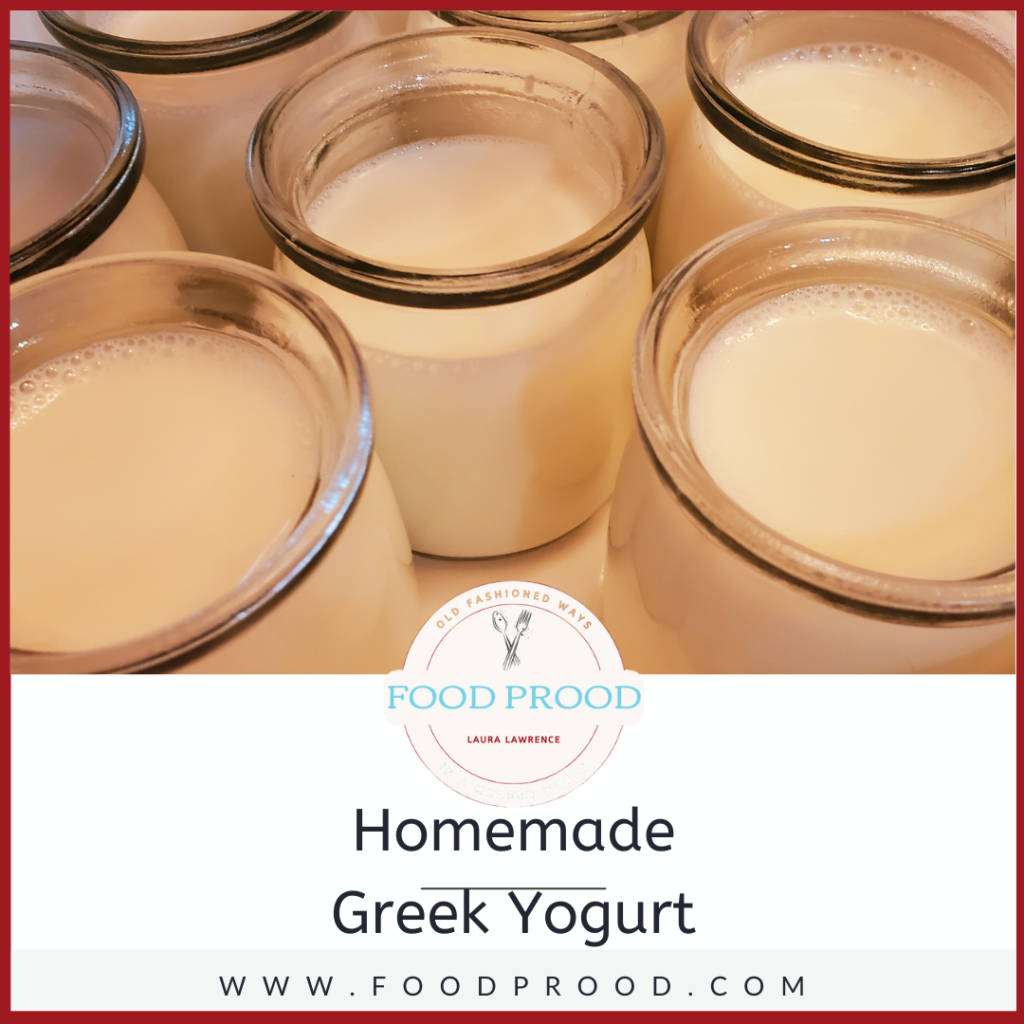
The Lawrences are continually adding fruit trees and are bee keepers as well, and the flowering herbs and fruits provide pale for the bees. The food cycle continues in her kitchen, where sour dough and yogurt culture from milk from a local organic farmer. If Laura doesn’t grow the food herself, she strives to know the person who did. In community with her, I have found rich relationships that form easily with others who have a mission for integrity in their food.
Laura teaches classes on canning, cheese making, and fermenting, among others. Over time, I’ve learned that the nutrient content of organically grown and raised food is also often of higher quality than it’s store bought alternative, with produce sitting in storage on trucks and in stores for weeks or even months at a time, picked before it’s prime to help ensure better transit and storage over prioritizing optimum taste and nutrition. I have found the taste of the food I have grown or known the farmer who did is consistently better and the overall quality of my diet is better as well when I try to eat and live as part of a regenerative cycle.
Laura embodies this and is willing and able to teach others. She does this with a passion for believing in God that she serves and strives to live in accord with. The way that she grow or sources her food contributes back to the world more than it takes and her efforts compound in the lives of those she teaches, Laura has reverence for the cycle that she is a part of and dedicates her work to making a legacy available for others to do the same, in their own way.