
Homemade Roasted Spaghetti Sauce with Fresh Garden Tomatoes
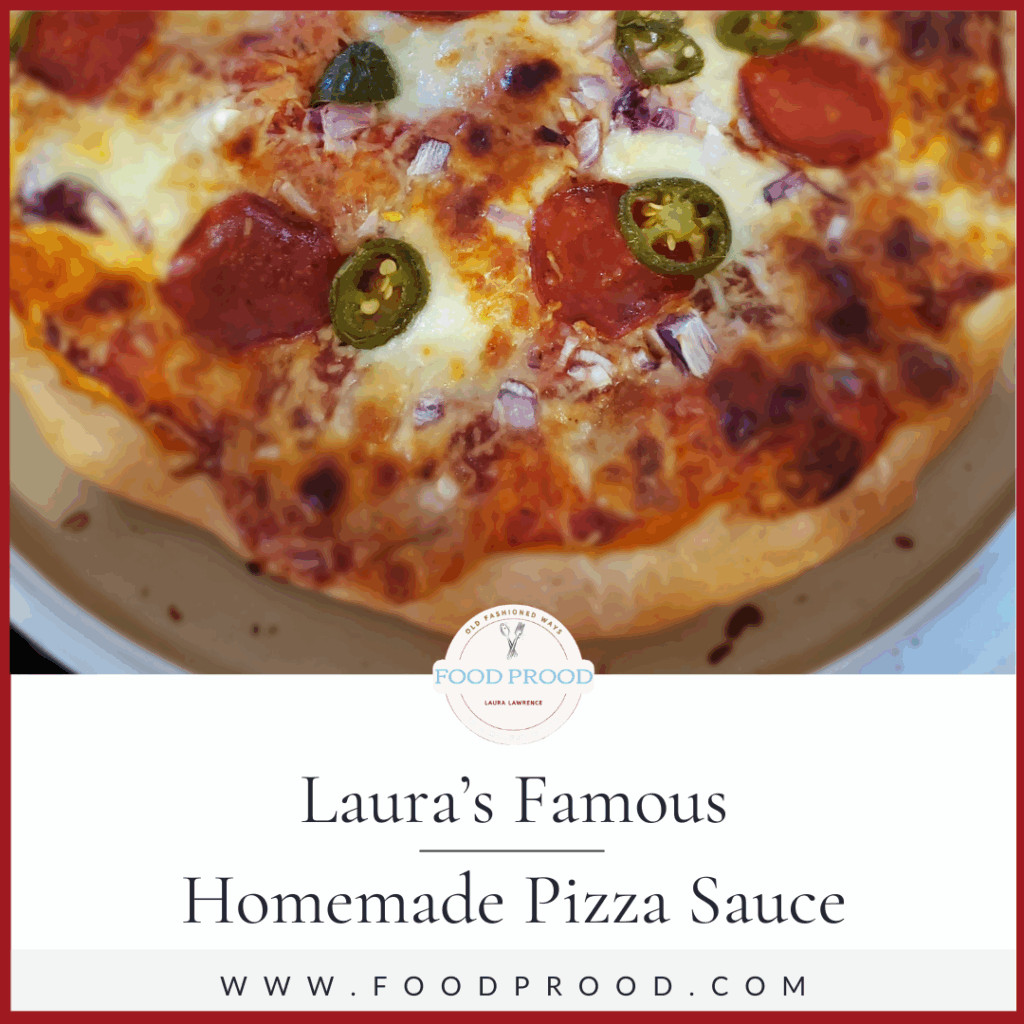
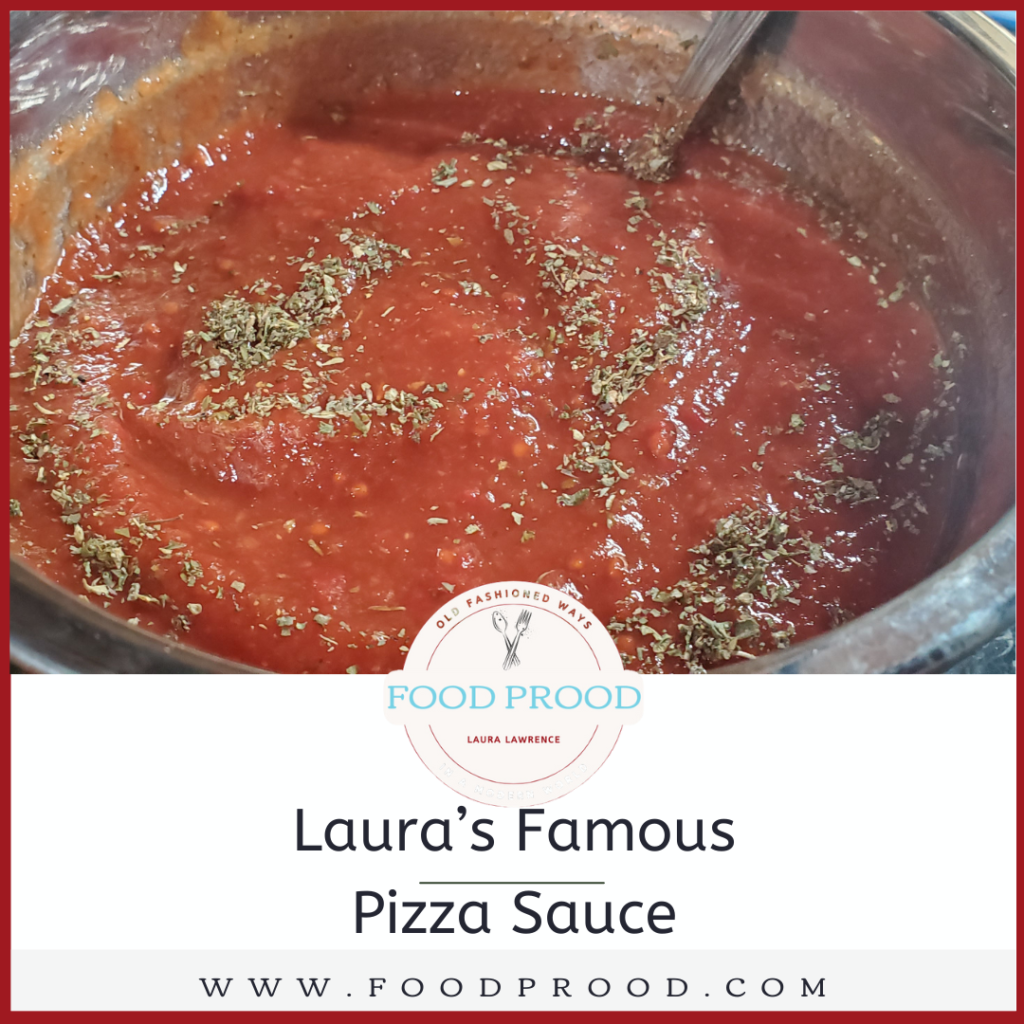
Homemade spaghetti sauce or pizza sauce using fresh tomatoes, peppers, onions, garlic, and whatever else the garden provides!

You know how it goes. One day you’re patiently waiting for those first ripe tomatoes, and the next thing you know, they’re covering every available counter in the kitchen.
Now what?
Well, my friends, we’re making spaghetti sauce!
This homemade roasted spaghetti sauce is one of my favorite ways to turn an abundance of garden tomatoes into something delicious we can enjoy long after the growing season is over.
And here’s the best part: you don’t need exact measurements or the perfect combination of vegetables.
We’re going to use what we have.
That’s how we cook on our northern Michigan homestead, and that’s exactly what I want to teach you.
Why Roast Tomatoes for Spaghetti Sauce?
Roasting tomatoes, peppers, onions, and garlic together brings out their natural sweetness and develops a wonderful, rich flavor.
Instead of spending all afternoon standing over a pot, we’re letting the oven do a good portion of the work.
The vegetables soften, the flavors come together, and after a little blending and seasoning, you’ve got a delicious homemade sauce.
Use it for spaghetti, pizza, lasagna, or whatever else sounds good!
And when you’ve got more than you can eat? Freeze some for another day.
When God Provides, You Preserve.
Watch Me Make Homemade Roasted Spaghetti Sauce
I’ll show you how I roast the vegetables, collect all those wonderful juices, and turn everything into homemade sauce.
This Is How a Homesteader Cooks!
Now, before we get into the ingredients, there’s something I want you to understand.
You use what you have instead of running to the grocery store for what you don’t.
Got 20 pounds of tomatoes and only two peppers? Great!
Have more garlic than you know what to do with? Toss some in.
No fresh basil? Use dried.
Only have one onion? That’s perfectly fine.
This recipe is a guide, not a rulebook.
We’re learning how ingredients work together, how to taste and adjust our food, and how to make something delicious without needing exact instructions for every little thing.
There’s freedom in food when you know how to cook with what you’ve got!
And the more you practice, the more confident you’ll become.

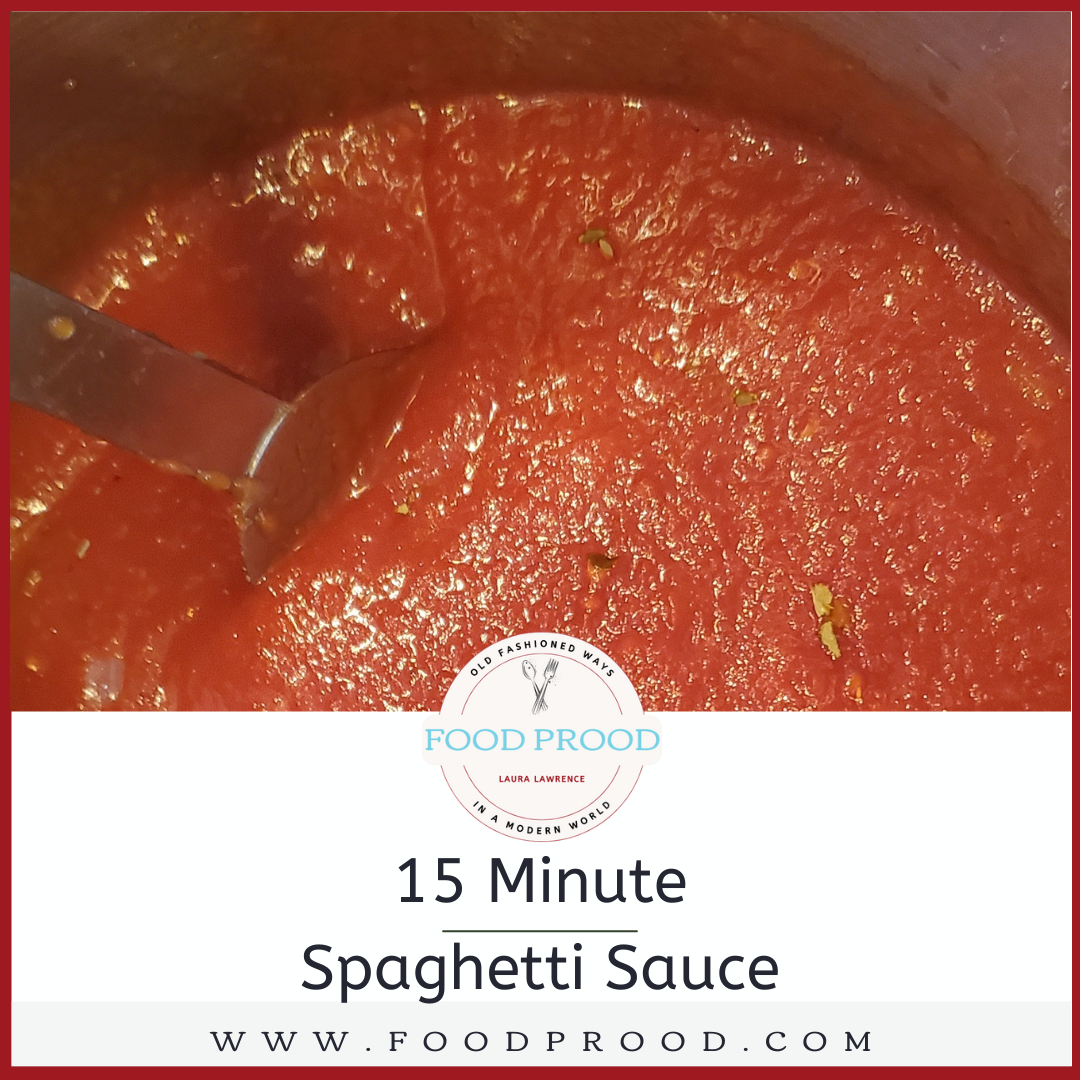
Roasted Spaghetti Sauce or Pizza Sauce
Ingredients
Method
- Instructions
- Preheat your oven to 425°F.
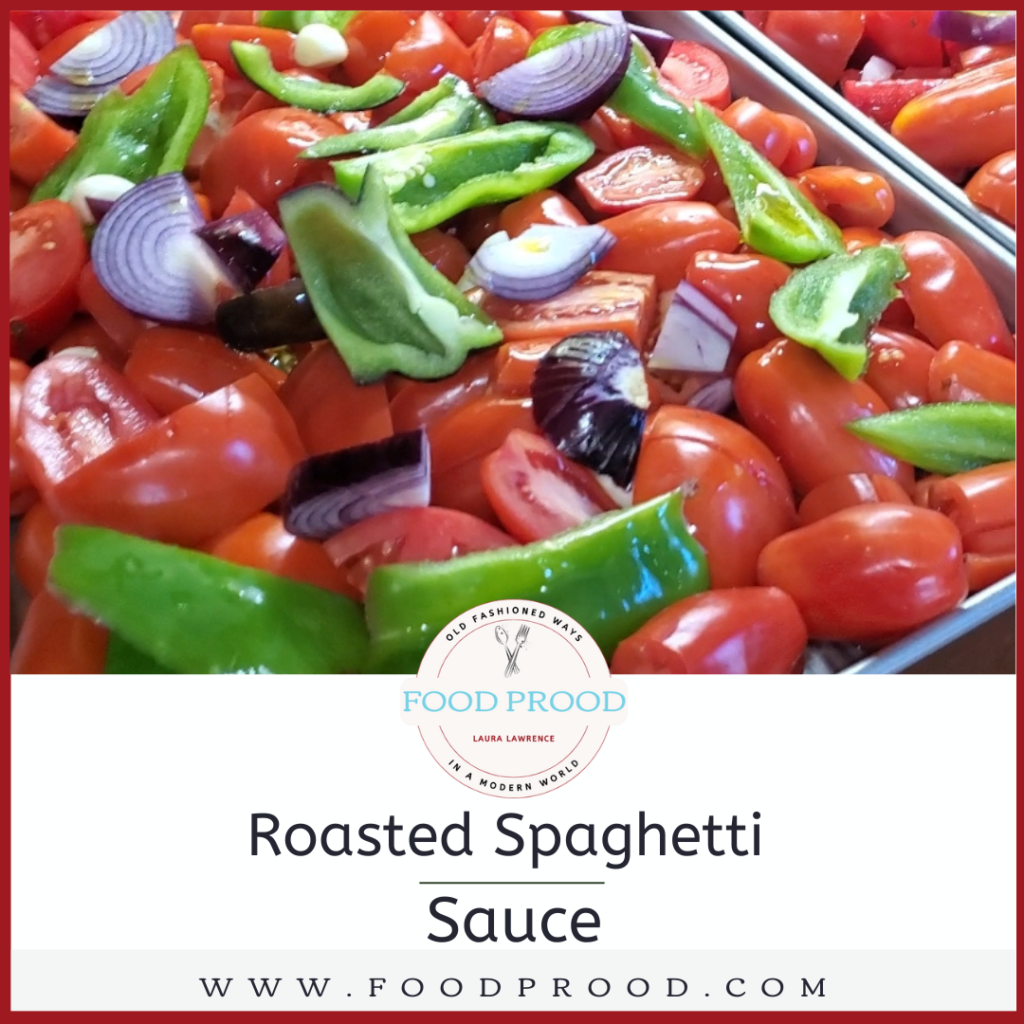
- Roughly chop your tomatoes, peppers, onions, and garlic. There’s no need to measure everything precisely. Use what you’ve harvested!
- Spread the vegetables in roasting pans with sides at least 1 inch deep to catch the juices.
- Drizzle approximately 2 tablespoons of olive oil over each pan of vegetables.
- Roast for approximately 20–30 minutes, until the vegetables soften and begin to develop some lightly charred edges.
- Transfer all the roasted vegetables AND their juices into a large stockpot.
- Cook on the stovetop for approximately 10 minutes to bring everything together and reduce some of the liquid.
- Add salt, black pepper, basil, and optional oregano. Taste and adjust the seasonings to your liking.
- Allow the mixture to cool slightly, then use an immersion blender to blend until you reach your preferred consistency.
- Enjoy with pasta, use as pizza sauce, or cool promptly and freeze in freezer-safe containers for later use.
Notes
This is a flexible homestead recipe. The amount of each vegetable depends on what you have available. Use more or fewer peppers, onions, and garlic to suit your taste.
For thicker pizza sauce, cook it down longer.
This recipe is intended for fresh use or freezing. It is not a tested shelf-stable canning recipe.
Full tutorial: https://foodprood.com/recipes/how-to-make-roasted-spaghetti-sauce-or-pizza-sauce-recipe-video/

Ingredients: Use What You Have!
- Fresh tomatoes: Any variety will work. Use what’s ripe and ready in your garden.
- Garlic: Fresh from the garden or whatever you’ve got stored.
- Onions: Use what you have available.
- Peppers: Sweet peppers, bell peppers, or other varieties your family enjoys.
- Olive oil: For roasting the vegetables.
- Basil: Fresh or dried.
- Oregano: Fresh or dried.
- Salt and black pepper: To taste.
Notice something missing?
Exact vegetable measurements!
That’s intentional.
The amount of sauce you make will depend on how many vegetables you have. Adjust the ingredients and seasonings to suit your harvest and your family’s preferences.
Equipment You’ll Need
Nothing too fancy here!
- Large roasting pans with at least a 1-inch lip, or casserole dishes
- Large stockpot
- Large spoon
- Immersion blender
- Oven mitts
- Freezer-safe containers or jars, if you’re saving some for later
A pan with sides is important because those tomatoes release quite a bit of juice while roasting, and we want to keep every delicious drop!
How to Make Roasted Spaghetti Sauce
Step 1: Prepare Your Vegetables
Preheat your oven to 425°F.
Wash your tomatoes, peppers, onions, and garlic.
Chop everything into manageable pieces. Don’t worry about making them perfect because we’re going to blend the vegetables later anyway.
Step 2: Fill Your Roasting Pans
Place the chopped vegetables into roasting pans or casserole dishes with sides deep enough to catch the juices.
Drizzle with olive oil. I generally use approximately 2 tablespoons for a pan, adjusting depending on how much I’m roasting.
Step 3: Roast the Vegetables
Roast Until You See Those Beautiful Char Marks
Roast your vegetables at 425°F for approximately 20–30 minutes.
You’ll know they’re ready when everything starts looking softened and a little collapsed, with some char marks developing on the vegetables.
Want a little more roasted flavor? Leave them in a bit longer, watching closely so they don’t burn.
This is another part of the recipe you can adjust to your own preferences.
Step 4: Transfer Everything to a Stockpot
Carefully remove the pans from the oven.
Using a large spoon, transfer the roasted vegetables into a stockpot.
And don’t forget those juices!
Carefully pour the remaining liquid from the roasting pans into the pot. There’s a whole lot of flavor in there.
Step 5: Simmer
Bring the mixture to a boil, then reduce the heat and simmer for approximately 10–15 minutes to soften everything further.
Step 6: Blend Your Sauce
Allow the mixture to cool slightly.
Using an immersion blender, blend the vegetables until you reach your desired consistency.
Like a smoother sauce? Blend longer.
Prefer a little texture? Leave it slightly chunky.
You’re the cook. You get to decide!
Step 7: Season to Taste
Add basil, oregano, salt, and black pepper.
Taste your sauce and adjust.
This is an important part of learning to cook without depending on exact recipes. Start with a little, taste, and add more as needed.
And there you have it!
Homemade roasted spaghetti sauce from real ingredients.
Can You Freeze Homemade Spaghetti Sauce?
Absolutely! In fact, this is one of the reasons I love making large batches.
Once the sauce is finished, cool it promptly, refrigerate until chilled, and package it in freezer-safe containers.
If you’re using glass jars, make sure they’re designed for freezing and leave the recommended headspace for expansion.
Label everything with the contents and date.
Then, when you’re ready for spaghetti night, you’ve already done most of the work!
Important: This flexible recipe is for eating fresh or freezing. It is not a tested shelf-stable canning recipe. If you want to can tomato sauce, follow a research-tested recipe with the proper acidification and processing instructions.
What Else Can You Make with This Sauce?
Oh, my friends, don’t stop at spaghetti!
Use your homemade roasted sauce for:
- Spaghetti and other pasta dishes
- Homemade pizza
- Lasagna
- Calzones
- Baked pasta
- Dipping breadsticks
- Other family-favorite meals that call for tomato sauce
One batch of sauce can become the foundation for several different dinners.

This Is More Than Spaghetti Sauce!
You might have come here looking for a homemade spaghetti sauce recipe, but I hope you leave with a little more than that.
Because this recipe represents so much of what I teach here at Food Prood.
We grow the food. We harvest what’s ready. We preserve what God provides. And we learn to cook with what we have.
We’re not planning every meal around another trip to the grocery store.
We’re learning skills that give us more freedom in the kitchen.
And you can learn them, too!
It Starts in the Garden
Imagine walking into your own garden and picking the ingredients for tonight’s dinner.
Tomatoes, peppers, onions, garlic, and fresh herbs.
There’s something pretty wonderful about knowing exactly where your food came from because you grew it yourself!
And you don’t need a massive homestead to get started.
Even a few tomato plants can be the beginning of something wonderful.
Want to grow your own spaghetti sauce ingredients? Start with my gardening guides:
What Are You Growing?
Choose a crop to find planting, growing, harvesting, preserving, and kitchen advice—all in one place.


Every skill you learn brings you one step closer to producing more of your own food.
Then Comes the Pantry
Growing food is wonderful, but learning how to store it and use it throughout the year? That’s where things really start coming together.
A well-stocked pantry isn’t about having shelves full of random ingredients.
It’s about keeping foods your family actually eats and knowing how to turn those ingredients into meals.
That’s exactly why I teach pantry building and cooking from what you already have.
Explore my Pantry Staples guide:

FREE PRINTABLE WORKBOOK
Build Your Winter Pantry & Meal Plan — Made Easy!
Learn how to identify the foods your family actually eats, shop your pantry first, and create a two-week meal plan using what you already have.
8 printable pages — completely free!
Download Your Free Pantry Workbook
Because a pantry full of food doesn’t do much good if you don’t know what to make with it!
This Very Recipe Is in My Book!
Yep! You’ll find this roasted spaghetti sauce recipe in my book, Seed to Plate: A Homesteading Gardening Guide & Cookbook.
And that’s exactly why I wrote it.
I didn’t want to create just another gardening book or just another cookbook.
I wanted to help people connect the entire process.
Plant the seed. Grow the food. Harvest it. Preserve it. And put it on the dinner table.
Inside Seed to Plate, I share practical gardening knowledge and recipes from my own homesteading experience here in northern Michigan.
Whether you’re just starting your first garden or looking to become more self-sufficient, my goal is to help you grow with confidence and make good use of your harvest.
Explore Seed to Plate:
Want to Learn How to Cook This Way?
This is where Food Prood Academy comes in.
Inside the Academy, we go beyond individual recipes.
I teach practical skills like cooking from the garden, building a useful pantry, storing food, and learning how to put meals together with what you already have.
Because I don’t want you to feel like you need a recipe for every single meal.
I want you to become the kind of person who knows they can walk into their kitchen, look at what they’ve got, and make something wonderful.
Take a look at my Building the Pantry lesson – >
Explore Food Prood Academy
You don’t have to grow up knowing these skills.

You can learn them!
More From-Scratch Recipes and Resources
If you enjoyed making homemade roasted spaghetti sauce, here are a few more places to explore.
Preserving the Harvest
Kitchen Revival — Learn to Cook from Scratch
More Homemade Recipes
Remember, every time you learn to grow something, preserve something, or make something from scratch, you’re building skills that can serve your family for years to come.
Become a producer, not just a consumer.
Old fashioned ways in a modern world.
— Laura