
How to Start a Garden
Growing food doesn’t have to be overwhelming. Whether you’re planting your first tomato or dreaming of filling your pantry, I’ll walk you through the steps that actually matter—without making it complicated.


What You’ll Learn
- ✔ Choosing the right location
- ✔ Raised beds vs. in-ground
- ✔ Soil
- ✔ What to grow first
- ✔ Garden layout
- ✔ Watering
- ✔ Common mistakes

I still remember planting my very first garden in my twenties. It wasn’t anything fancy—mostly flowers, especially my favorite, sunflowers. But tucked in among them were a few tomato and pepper plants.
I’ll never forget watching those little plants grow and then picking something I had grown myself. The harvest was small, but to me it felt huge. There was something incredibly satisfying about taking care of a tiny seed and watching it become food.
That feeling has never left me.
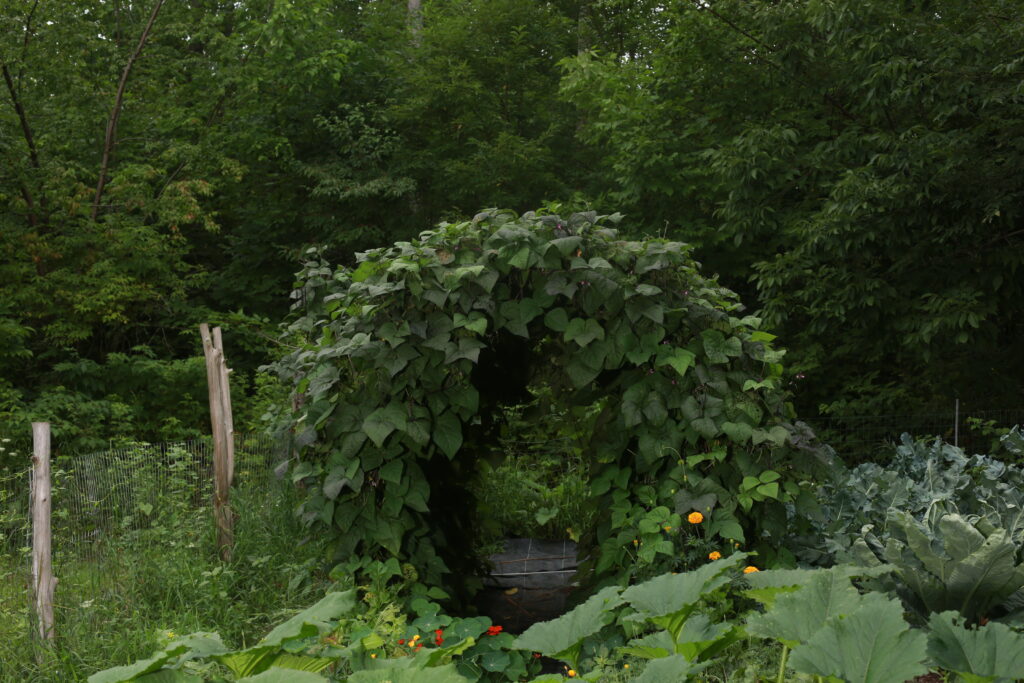
Today, our family grows nearly all of our own vegetables, but every season still teaches me something new. Some years the bugs seem to win. Some years the weeds get away from me. Storms happen. Frost comes early. Plans change.
But every spring, it all starts the same way—with a tiny seed.
A seed that carries so much hope and possibility. Sometimes it gives a small harvest. Sometimes it produces an abundance that fills the pantry and feeds our family for months. Either way, every seed teaches patience, perseverance, and gratitude.
One of the greatest lessons my garden has ever taught me is this:
When God provides, I preserve.
Whether the harvest is a basket of tomatoes or a single zucchini, I treat it as a gift. I do my best to waste nothing, to learn from every season, and to prepare for the next one.
As you begin your own gardening journey, keep that thought tucked away in the back of your mind. Your garden will teach you far more than how to grow vegetables. If you let it, it will teach you patience, resilience, gratitude…and the quiet joy that comes from growing something with your own two hands.
Before You Plant
✅ Choose the correct location
✅ Know your frost dates
✅ Start with easy vegetables
✅ Prepare healthy soil
✅ Start small
Step 1 — Choose the Right Location

Pick a spot that gets:
- 6–8 hours of sunlight for shade loving plants & 10-12 for sun loving plants
- Good drainage
- Easy access to water
👉 Sunlight is one of the biggest factors in a successful garden here.
Step 2 — Decide on Garden Type

Start simple:
- Raised beds (best for beginners)
- In-ground rows like I do
- Container gardening (if space is limited)
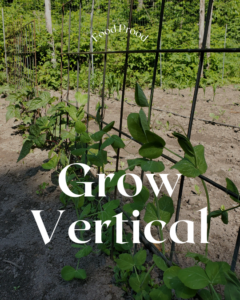
- Vertical gardening
👉 Midwest soil can be heavy clay, so raised beds are often easier.
Step 3 — Prepare Your Soil

Good soil is everything.
Add:
- Compost
- Organic matter
- Aged manure if available
👉 This helps with drainage, nutrients, and overall plant health.
Step 4 — Choose Easy Crops to Start

Beginner-friendly crops:


👉 These grow well in Midwest climates and build confidence.
Step 5 — Know When to Plant (CRITICAL)
Click to Download the FREE Guide

Timing matters more than anything here.
Plant too early → frost damage
Plant too late → short harvest
👉 Start by determining your growing zone and average frost dates — these tell you when to plant your seeds and transplants.
• Look up your zone https://planthardiness.ars.usda.gov/
• Look up frost dates https://www.almanac.com/gardening/frostdates
Write these in your garden journal
- Spring frost date __________
- Fall frost date __________
- Average growing season length __________ days
These dates will guide all of your planting choices.
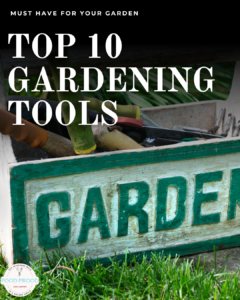
Step 6 — Essential Gardening Tools for Midwest Gardens
You don’t need a lot—just essentials.
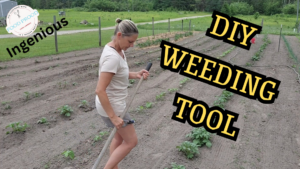
- 🌿 Weeding Tool
- 🌿 Wedge Hoe
- 🌿 Wilcox Weeder (13″ & 14″ Pro)
- 🌿 Garden Wagon Cart
- 🌿 Cattle Panels
- 🌿 Heirloom Seeds
- 🌿 Neem Oil
- 🌿 Pruners
- 🌿 Potato Digger
- 🌿 Diatomaceous Earth

👉 Read my full list here: Top Gardening Tools to Have On Hand
https://foodprood.com/garden/my-top-gardening-resources-tools-to-have-on-hand/
Step 7 — Maintain Your Garden
Focus on:
- Consistent watering
- Weeding regularly
- Checking plants often
👉 Gardening isn’t about perfection—it’s about consistency.
Gardening in the Midwest Is Different
Gardening here comes with challenges:
- Shorter growing seasons
- Cold soil in spring
- Unpredictable weather
That’s why following generic advice can lead to poor results.
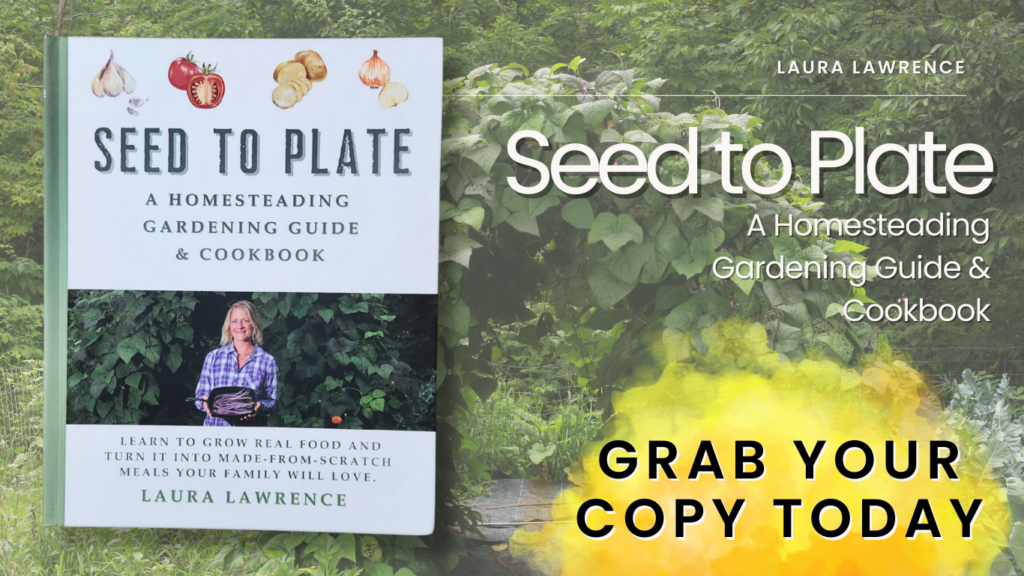
This Is the Book I Wish I’d Had
When I planted my first garden, I pieced together information from books, magazines, family, and plenty of trial and error.
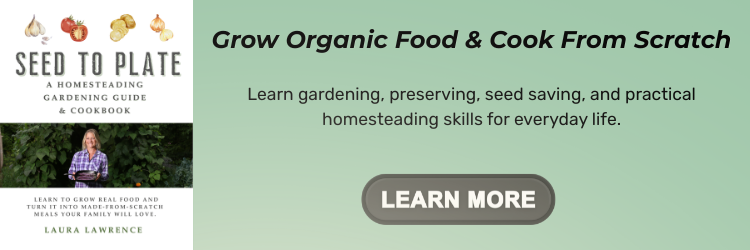
I wrote Seed to Plate to be the gardening guide I wish I’d had from the beginning.
Inside you’ll discover:
- 🌱 What to plant
- 📅 When to plant
- 🌿 Which crops to direct sow and which to start indoors
- 🥕 How to grow, harvest, preserve, and cook what you grow
- ❄️ Practical advice for Midwest and short-season gardens
Everything I wish someone had handed me before I planted that very first garden.
👉 Learn More About Seed to Plate

👉 Get your copy here:
https://foodprood.com/seed-to-plate-order-the-homesteading-gardening-guide-cookbook-by-laura-lawrence/
From choosing your first garden location to harvesting your first basket of vegetables, Seed to Plate walks you through the entire process—one season at a time.