
How to Grow Potatoes in a Northern Climate: Planting to Harvest
How we grow 1,500 pounds of potatoes a year on our northern Michigan homestead!

- How we grow 1,500 pounds of potatoes a year on our northern Michigan homestead!
- Why Grow Your Own Potatoes?
- Watch How We Grow Potatoes on Our Homestead
- When Should You Plant Potatoes in a Northern Climate?
- How to Store Potatoes for Winter
- Download My Potato Growing Guide — Just $4
- Keep Growing — There's So Much More to Learn!
- Want to Learn Even More? Explore Seed to Plate
If there’s one crop I absolutely love growing, it’s potatoes!
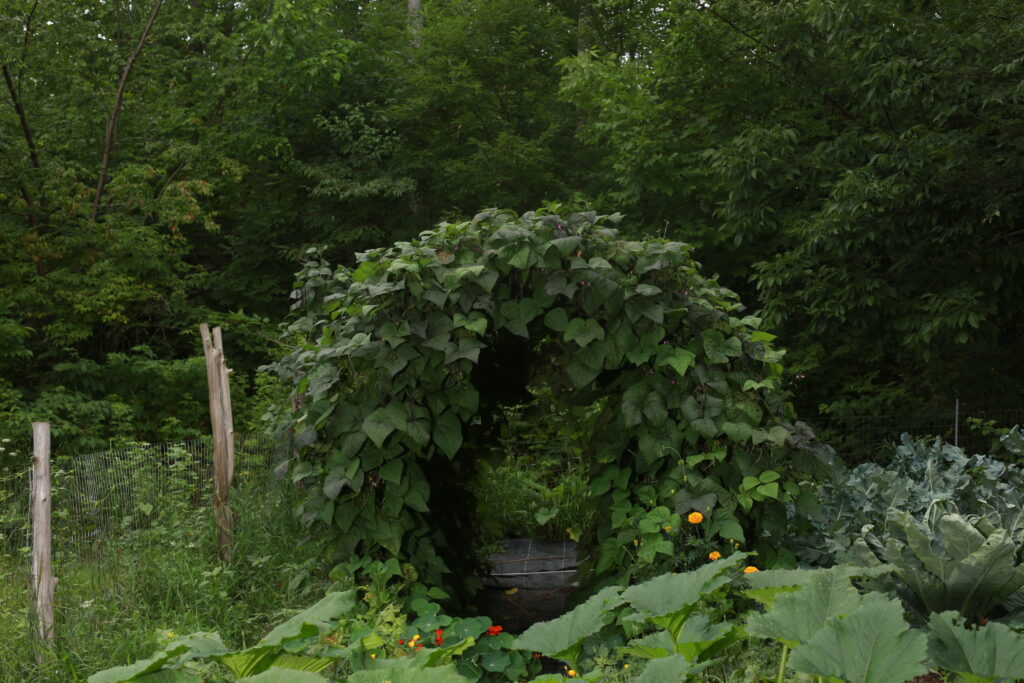
Here on our northern Michigan homestead, above the 45th parallel, we have a pretty short growing season. But that certainly hasn’t stopped us from growing an incredible amount of food.
For years, we grew more than 500 pounds of potatoes annually. Then in 2025 and again in 2026, we harvested 1,500 pounds each year!
And here’s something else I love about growing potatoes: we made that initial investment in organic seed potatoes years ago, and we’ve continued saving healthy potatoes from our harvest to plant again the following spring.
That’s what I call Freedom in Food!
Now, before those numbers overwhelm you, remember that you don’t need to grow 1,500 pounds of potatoes to get started. Even a few rows can provide a wonderful harvest for your family.
I’m going to walk you through how we plant, grow, hill, manage pests, harvest, and store potatoes using the old-fashioned methods we’ve learned over years of gardening.
And because growing food is only half the fun, I’ll share some of our favorite homemade potato recipes, too!
Why Grow Your Own Potatoes?
Potatoes are one of the most useful foods we grow on our homestead.
They’re filling, nutritious, versatile, and can be stored for months under the right conditions.
They’re a source of carbohydrates, potassium, vitamin C, and other nutrients. And there’s certainly no shortage of ways to prepare them!
Think about homemade mashed potatoes, cheesy potatoes, soups, fries, breakfast skillets, and homemade tater tots.
When you grow your own potatoes, you know what went into producing that food. You also have the opportunity to choose your varieties and grow them using organic gardening practices.
But one of my favorite benefits is learning to save potatoes for the following year’s garden.
You’re not simply growing food for today. You’re learning how to keep growing food year after year.
Food is your fuel — fuel it the best!
And this is exactly what I mean when I talk about having Money in the Bank!
Every potato we grow, harvest, and properly store is food we’ve already provided for our family. Instead of depending entirely on the grocery store, we’re filling our pantry with food we’ve raised ourselves.
It’s not just about saving money. It’s about knowing where your food comes from, learning valuable skills, and building a little more food independence every year.
I talk more about this in Money in the Bank, where I share why growing and preserving your own food is one of the best investments you can make for your family.

Watch How We Grow Potatoes on Our Homestead
Want to see how we actually do all of this?
In my potato-growing video, I’ll take you through our planting methods, hilling, Colorado potato beetle management, harvesting, and saving potatoes for the following season.
You’ll even come into the kitchen with me to make homemade mashed potatoes!
Choosing Potatoes for Planting
Everything starts with good-quality potatoes.
When establishing a new potato patch, I recommend purchasing certified disease-free seed potatoes, preferably organically grown.
These are potatoes intended specifically for planting and inspected to reduce the risk of introducing certain diseases into your garden.
Once you’ve established a healthy crop, you may choose to save some of your own potatoes for planting the following year.
That’s what we’ve done for years.
Whole Potatoes or Cut Pieces?
You can plant small seed potatoes whole or cut larger potatoes into pieces.
If you’re cutting them, make sure each piece has at least one or two healthy eyes.
Those little eyes are where the sprouts develop.
Allow the cut surfaces to dry and heal before planting to help reduce the chance of rotting.
And don’t worry if your potatoes have already started sprouting!
We’ve had saved potatoes with sprouts reaching three feet long. Yes, really!
Although shorter, sturdier sprouts are easier to plant, we’ve successfully grown potatoes from some pretty wild-looking ones over the years.
How to Plant Potatoes Step by Step
There are several ways to plant potatoes, but I’m going to share how we do it here on our homestead.
Step 1: Prepare Your Garden Soil
Potatoes grow best in fertile, loose, well-draining soil.
Healthy soil is the foundation of a productive garden, and we use organic growing practices throughout our homestead.
Avoid planting potatoes in waterlogged or heavily compacted ground.

Step 2: Dig Your Trenches
We dig trenches approximately 4 inches wide and 8–12 inches deep.
Now, you might be wondering why we dig them so deep.
That’s because we don’t fill the entire trench immediately!
As the plants grow, we’ll gradually pull the soil back around them. This makes hilling potatoes much easier throughout the growing season.
Step 3: Space Your Potatoes
Place your seed potatoes approximately 12 inches apart along the bottom of the trench.
If the potatoes have visible sprouts, I generally point them upward.
But don’t get too worried about the exact placement of every eye.
Potatoes are pretty determined little things!
Step 4: Cover with Soil
Cover the potatoes with approximately 2 inches of soil.
Leave the remaining soil piled along the sides of the trench.
We’ll use that soil as the potato plants grow.
That’s it!
Now we wait for those first green shoots to emerge.
When Should You Plant Potatoes in a Northern Climate?
Living above the 45th parallel means our gardening season looks a little different from that of someone growing farther south.
Our winters are long, and spring doesn’t always arrive when the calendar says it should!
Potatoes are a cool-season crop, but they still need workable, well-drained soil.
Generally, I recommend waiting until the soil is around 45°F or warmer and isn’t overly wet.
The exact planting date will depend on your location, soil conditions, and spring weather.
Here in northern Michigan, I pay more attention to what the ground is doing than to a specific date on the calendar.
Hilling Potatoes as They Grow
Once your potatoes start growing, it’s time to begin hilling.
This is one of the most important parts of growing potatoes successfully.
As the plants get taller, gradually pull soil from the sides of the trench around their stems.
Continue filling the trench until it’s level with the surrounding garden.
After that, keep mounding soil around the plants as needed.
We generally add more soil after another 6–8 inches of growth, making sure to leave healthy leaves exposed.

Why Do Potatoes Need to Be Hilled?
Potatoes grow underground, and developing tubers need to stay covered.
When potatoes become exposed to sunlight, their skins can turn green.
Greening indicates light exposure and may be associated with increased levels of naturally occurring glycoalkaloids, including solanine.
These compounds can make potatoes unsafe to eat.
Keep developing potatoes covered with soil, and discard potatoes that are heavily green or bitter rather than assuming peeling will make them safe.
Hilling is a simple job, but it’s definitely one you don’t want to skip.
How to Control Colorado Potato Beetles

Oh, these little stinkers!
If you’ve grown potatoes for any length of time, you’ve probably encountered Colorado potato beetles.
They’re one of the biggest pests we deal with in our potato patch.
The adult beetles have distinctive yellow and black striped backs, and both adults and larvae feed on potato leaves.
If left unchecked, they can do quite a bit of damage.
Watch for Orange Eggs
One of the first things I do is check underneath the leaves.
Colorado potato beetles lay clusters of bright orange eggs on the undersides of potato foliage.
Those eggs hatch into reddish larvae that begin feeding on the leaves.
And boy, can they eat!
Catching them early makes a big difference.
My Squish-Pop Method
Yep, that’s what I call it!
When I find eggs, larvae, or adult beetles, I remove or squish them.
You can also drop beetles into a bucket of soapy water.
This is a great garden chore for kids, assuming you can convince them to help!
It’s not glamorous, but it’s an effective way to keep pest numbers down, especially in smaller gardens.
What If the Beetles Get Out of Control?
Sometimes the beetles get ahead of us.
When infestations become severe, we’ve occasionally used Monterey Garden Insect Spray containing spinosad.
In our experience, a properly timed treatment can make a substantial difference.
However, spinosad can harm beneficial insects, including pollinators, so it’s important to follow the product label carefully and avoid spraying when bees are active.
Check that the particular product is appropriate for your intended organic growing practices.
I prefer starting with hand removal and using additional methods only when they’re needed.
Potato Diseases: What Is Black Scurf?
One problem I’ve discussed in my Seed to Plate book is Rhizoctonia, commonly called black scurf.
You may notice black patches or spots on the skin of harvested potatoes.
They can look like clumps of dirt that simply won’t wash away.
Black scurf is caused by the fungus Rhizoctonia solani.

Can You Eat Potatoes with Black Scurf?
Potatoes with superficial black scurf are generally edible once the affected skin is removed, provided the potatoes are otherwise sound and show no signs of rot.
However, I wouldn’t save affected potatoes for planting.
How Can You Help Prevent Black Scurf?
Start with healthy, certified seed potatoes whenever possible.
Crop rotation, well-draining soil, and avoiding infected planting material can also help reduce disease problems.
In my book, I mention MST Myco Seed Treat as a beneficial fungal inoculant used in some growing systems.
Products like these should be considered part of an overall soil-management approach, not a guaranteed treatment for potato disease.
When Are Potatoes Ready to Harvest?
Now for one of my favorite parts!
After spending the growing season planting, hilling, weeding, and dealing with those pesky beetles, it’s finally time to find out what’s been growing underground.
For potatoes intended for winter storage, I generally wait until the plants naturally die back.
The tops begin turning yellow, dry out, and eventually die.
That’s a good indication the potatoes have reached maturity.
Allowing the skins time to set before harvesting helps improve their storage quality.
Watch the Weather Before Harvesting
Here’s something I’ve learned through experience.
If the potatoes are mature and we’re expecting a stretch of heavy rain, I’ll often start digging.
I’ve left potatoes in wet ground before, only to have slugs damage them.
And after months of growing that food, I certainly don’t want to lose it!
I often harvest the plants that have completely died back while leaving those that are still green to finish growing.
How to Harvest Potatoes Without Damaging Them
We use a potato fork to harvest our potatoes.
Start digging farther away from the main stem than you might think.
Potatoes can spread out quite a distance underground!
Carefully work the fork into the soil and gently lift the potatoes.
Sometimes you’ll uncover a whole bunch beneath one plant.
Other times, you’ll discover one enormous potato.
You never quite know what you’re going to find!

What If You Accidentally Stab a Potato?
It happens!
Even after all these years, I still occasionally poke a potato with the fork.
Those potatoes go into our kitchen pile to use right away.
Damaged potatoes generally won’t store as well as healthy ones.
And don’t overlook the smaller potatoes!
Some of those may become next year’s planting stock.
From Garden to Table: What to Make with Homegrown Potatoes
Now, what good is growing 1,500 pounds of potatoes if you don’t know what to do with them?
This is where the garden meets the kitchen!
Potatoes are one of those foods we use constantly on our homestead. They’re filling, versatile, and can be turned into everything from a quick breakfast to a hearty dinner for the whole family.
And the best part? You don’t need a pantry full of specialty ingredients to make good food.
Here are some of our favorite homemade recipes using potatoes we’ve grown ourselves.

Potato Soup for a Crowd
A hearty pot of homemade potato soup is a wonderful way to use your harvest.
Potatoes, vegetables, broth, and simple ingredients come together into a filling meal.
It’s the kind of recipe I love having available when we’re feeding more than just our family.

From-Scratch Cheesy Potatoes
Who doesn’t love cheesy potatoes?
And there’s no need to reach for a can of cream-of-whatever soup!
These homemade cheesy potatoes use real ingredients, including potatoes, vegetables, dairy, and cheese.
A comforting side dish made from scratch.

Homemade Oven-Baked French Fries
Skip the frozen bag and make your own!
Homemade fries are one of the simplest ways to use freshly harvested potatoes.
With potatoes, oil, and your favorite seasonings, you can make a delicious side dish right in your own kitchen.

Homemade Chicken Pot Pie with Mashed Potatoes
Here’s another hearty way to put those homegrown potatoes to work!
My homemade chicken pot pie includes a layer of mashed potatoes underneath the chicken and vegetable filling.
It’s a wonderful way to turn simple pantry ingredients into a filling family meal.

Loaded Chicken & Cheesy Potatoes
Now this is a hearty meal! Chicken, potatoes, bacon, and plenty of cheesy goodness come together for a filling homemade dinner.
It’s a wonderful way to use those homegrown potatoes and turn simple ingredients into a meal the whole family can enjoy.

Savory Meatballs in a Creamy Sauce
Homemade meatballs covered in a rich, creamy sauce and served over a big helping of mashed potatoes.
This is one of those comforting, from-scratch meals that makes good use of the potatoes you’ve tucked away in your pantry.

Homemade Perogies — Sourdough or Traditional Dough
If you’ve never made homemade perogies, you’re missing out!
Tender homemade dough wrapped around a delicious potato filling. And you can make them using either sourdough or traditional dough.
Another wonderful way to take those basic pantry ingredients and turn them into something special.

The Lumberjack — Egg & Potato Recipe
Who says potatoes are just for dinner?
This hearty egg and potato recipe is a great way to start the morning with real food that will help keep you fueled for the day ahead.
Simple ingredients, a filling breakfast, and another reason to keep those homegrown potatoes stocked!

Homemade Tater Tots — Oven or Air Fryer
Yep, you can make your own tater tots!
Forget buying another frozen bag at the grocery store. With a few simple ingredients and those wonderful homegrown potatoes, you can make your own crispy tater tots right at home.
Bake them in the oven or use your air fryer!
How to Store Potatoes for Winter
Growing a large harvest is wonderful, but learning how to store it is just as important.
After harvesting, sort through your potatoes.
Separate any that are damaged, rotten, or showing signs of disease.
Healthy, mature potatoes intended for long-term storage should be properly cured in a dark, ventilated environment before being moved to their final storage location.
Once cured, gently brush away excess dirt.
Don’t wash your potatoes before storing them!
We use crates with good airflow, and mesh bags can also work.
The goal is to keep potatoes cool, dark, and well ventilated.
For long-term table potato storage, temperatures around 40–45°F are generally ideal.
Keep them protected from freezing and sunlight.
Under good storage conditions, suitable varieties can last for many months.
Check them regularly and remove anything beginning to spoil.
And then comes the best part — walking into your pantry in the middle of winter and pulling out potatoes you grew yourself!
Saving Seed Potatoes for Next Year’s Garden
Now, here’s where growing potatoes becomes even more exciting.
Instead of starting over every spring, we save some of our harvest to plant again.
We made our initial investment in organic potatoes years ago and have continued growing potatoes from our own saved stock.
Which Potatoes Should You Save?
I generally select smaller, healthy, firm potatoes from productive plants.
You don’t need an enormous potato to grow another plant!
Avoid saving potatoes from plants showing signs of disease.
Remember that potato diseases can accumulate in saved seed stock over time, even when the potatoes look healthy.
That’s why it’s important to monitor your plants, rotate crops, and periodically refresh your planting stock with certified disease-free seed potatoes when needed.
How Do You Store Seed Potatoes?
We store our saved potatoes in a cool location with good airflow, protected from freezing.
As spring approaches, they often begin sprouting naturally.
And yes, I’ve had sprouts reaching three feet long!
Those long sprouts aren’t ideal because they’re fragile, but we’ve had success planting some pretty wild-looking potatoes over the years.
There’s something amazing about taking a potato you harvested last fall and watching it become a whole new plant the following spring.
Plant it. Grow it. Harvest it. Save some. Repeat!
That’s one of the old-fashioned skills I love teaching.
Download My Potato Growing Guide — Just $4
Would you like to have these instructions handy while you’re out in the garden?
I’ve made the four potato-growing pages from my published book, Seed to Plate: A Homesteading Gardening Guide & Cookbook, available as a downloadable PDF.
Inside, you’ll find practical information on:
- Planting seed potatoes and preparing trenches
- Hilling potatoes throughout the growing season
- Identifying and managing potato pests
- Recognizing black scurf
- Harvesting and storing potatoes
- Saving potatoes for next year’s garden
The pages also feature photographs taken right here on our homestead.
Print them out, tuck them into your gardening binder, or keep them handy as a quick reference.
Download My Potato Growing Guide — $4

Keep Growing — There’s So Much More to Learn!
Potatoes are just one of the many foods we grow here on our northern Michigan homestead!
From starting seeds and growing vegetables to saving seeds and bringing in the harvest, there’s always something new to learn in the garden.
And you don’t need acres of land or years of experience to get started.
Whether you’re growing a few vegetables in a small garden or working toward producing more of your family’s food, every little bit counts.
I’ve gathered our gardening tips, tutorials, and hands-on experiences in one place to help you grow with confidence, even in a short northern growing season.
Ready to get your hands dirty?
Want to Learn Even More? Explore Seed to Plate
Potatoes are just one small part of the food we grow, harvest, preserve, and prepare here on our homestead.
In my book, Seed to Plate: A Homesteading Gardening Guide & Cookbook, I share practical gardening knowledge, seed-saving skills, recipes, and the lessons we’ve learned through years of raising our own food.

My goal isn’t to make homesteading complicated.
It’s to show you that these old-fashioned skills can still fit into our modern lives.
Whether you’re starting your very first garden or hoping to grow more of what your family eats, there’s always something new to learn.
Explore My Seed to Plate Gardening Guide & Cookbook
And remember, you don’t need to grow 1,500 pounds of potatoes to get started.
Start with a few.
Learn as you go.
Then keep growing!
Food is your fuel — fuel it the best!
Plant • Grow • Harvest • Preserve
Old-Fashioned Ways in a Modern World.