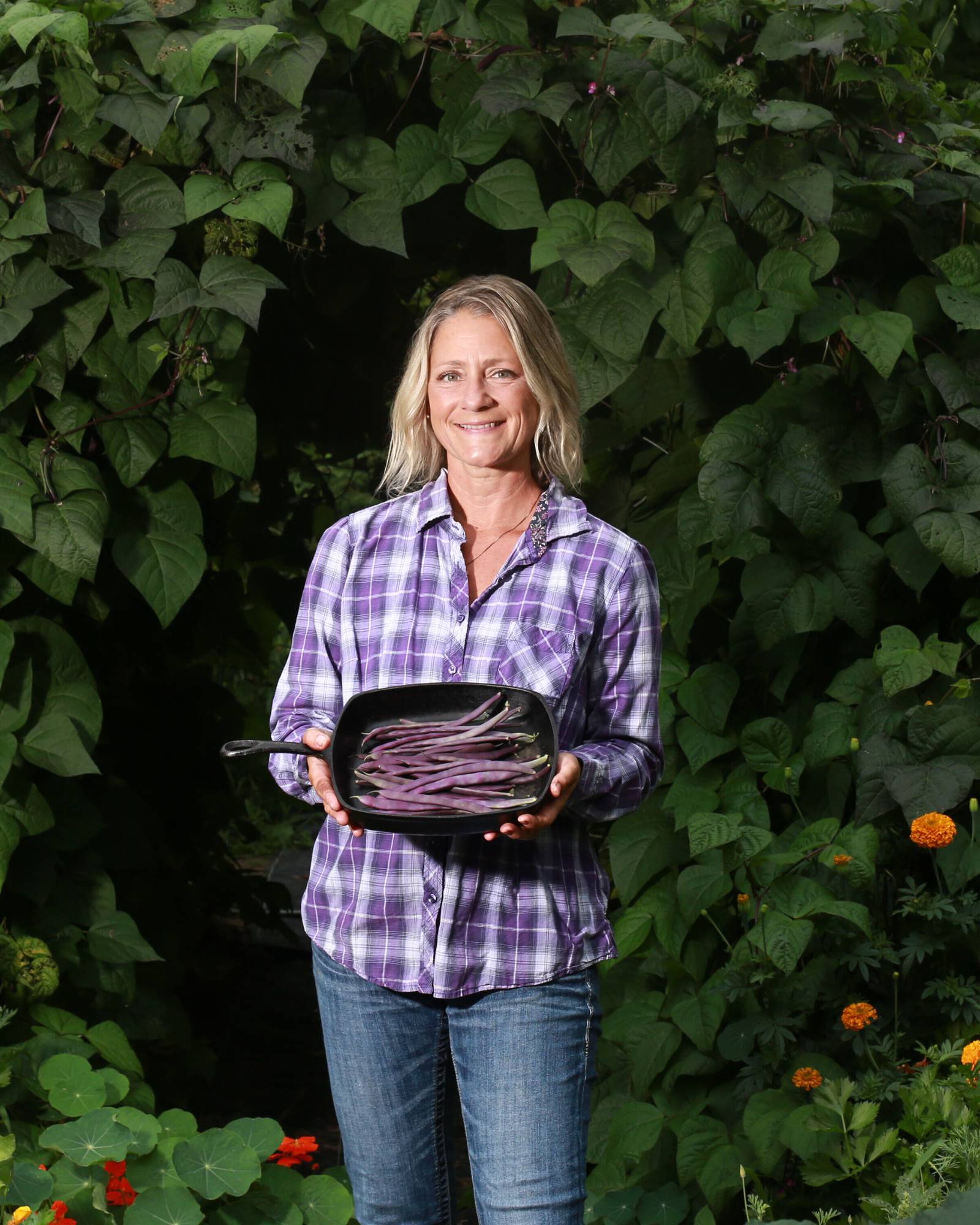
August on our Northern Michigan homestead is full.
The garden is producing, the herbs are ready to gather, and there always seems to be another basket of vegetables waiting on the kitchen counter.
This is the time of year when preserving the harvest becomes part of nearly every day.
It is hard work right now. There are vegetables to wash, chop, blanch, roast, ferment, freeze, dehydrate, and can. But when the snow is deep and the winter days are long, all of this work pays off.
We can walk into the pantry, pull a jar from the shelf, and open up a little taste of summer.
Here is what I’m doing right now to preserve and use the harvest.
Preservation season becomes overwhelming quickly when everything seems to ripen at once. Staying ahead of the harvest means checking the garden regularly, noticing what will be ready next, and making a plan before baskets of produce begin covering the kitchen counters.
Inside Food Prood Academy, I share a complete lesson on how I stay ahead of the harvest, decide what needs attention first, and make preservation season feel more manageable.
The garden doesn’t stop producing just because the day is already full.
Right now, I’m preserving as much of the harvest as I can—freezing, fermenting, canning, dehydrating, and turning fresh vegetables into meals for later.
It is hard work now, but every filled jar and freezer container means we’ll be able to open up a little taste of summer during the long, cold days of winter.
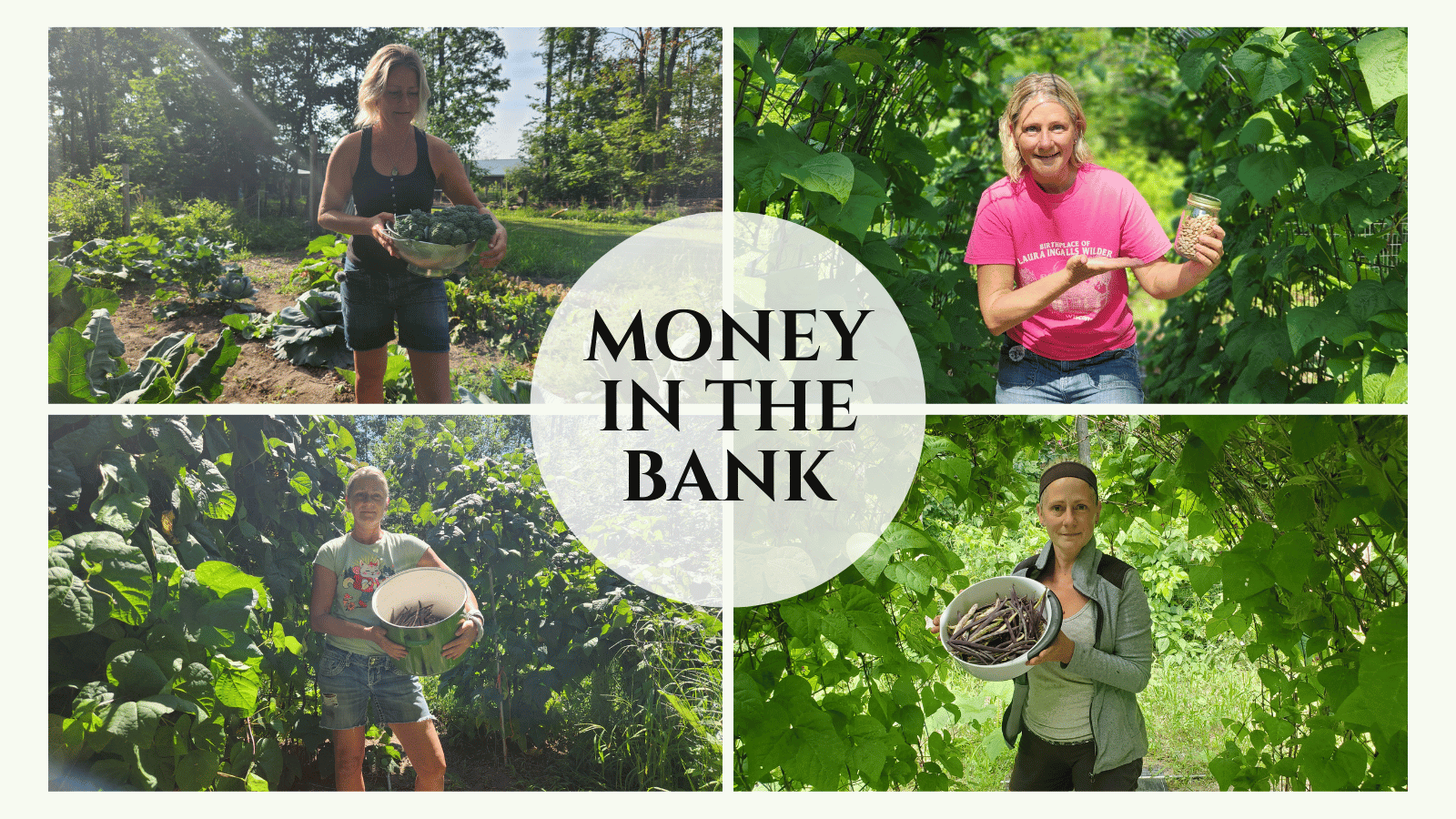
Canning Purple Beans
Our purple beans may lose their bright purple color during cooking and canning, but they are still one of my favorite things to grow and preserve.
Pressure canning allows us to store beans safely on the pantry shelf, ready to open and serve throughout the year.
Every finished jar represents seeds planted, plants tended, beans picked, and food intentionally stored for the months ahead.
Freezing peppers is one of the simplest ways to preserve them. I chop them, place them in freezer-safe bags, and freeze them—no blanching needed.
Later, I can easily pull out exactly what I need and add the frozen peppers directly to spaghetti sauce, soups, casseroles, and other cooked meals.
Freezing Peppers
Making and Freezing Eggplant Parmesan
Eggplant Parmesan is a wonderful way to turn an abundant eggplant harvest into a ready-made winter meal.
Instead of freezing the eggplant by itself, I prepare the breaded eggplant and place it in the freezer. On a busy winter day, we can pull it out, cook some noodles, make some sauce and bake it. It gives us a homemade winter meal while making good use of eggplant when it is abundant.
Preserving ingredients is valuable. Preserving complete meals can be even more helpful.
Broccoli and cauliflower freeze best when they are blanched first.
A quick dip in boiling water slows the natural enzymes that cause vegetables to lose their color, flavor, and texture. After blanching, I cool the vegetables quickly, drain them well, and freeze them for later.
These can be added to soups, casseroles, roasted meals, and side dishes all winter.
When zucchini is producing faster than we can eat it, I shred and freeze it.
Frozen shredded zucchini can later be used in breads, muffins, soups, casseroles, fritters, and other recipes. I like to freeze it in amounts that match the recipes I use most often.
It is a simple preservation project, but it prevents an abundant crop from being wasted and gives us another useful ingredient during winter.
Simply shred it with a hand shredder, zoodler or food processor
Freezing Zucchini
Fermenting Cabbage
Fresh cabbage can be transformed into a living fermented food that will last far beyond the summer harvest.
Fermenting is one of the oldest and simplest ways to preserve food. With cabbage, salt, and time, we can create a flavorful food filled with beneficial bacteria.
This is one of those preservation methods that connects us directly with the generations who preserved food long before refrigeration and modern grocery stores.
Fermented hot sauce is a great way to use a mixture of hot peppers from the garden—any combination of varieties will work.
I ferment the peppers in a simple saltwater brine using filtered water and non-iodized salt. Once the ferment is finished, I blend the peppers with some of the reserved brine, vinegar, organic cane sugar, neutral-tasting oil, and salt.
The finished color and heat will vary depending on the peppers used, making every batch a little different.
Not everything needs to be canned, frozen, or dehydrated. Part of living seasonally is using the harvest while it is fresh—building our meals around what is ready in the garden today.
From roasting vegetables for dinner to making blt’s with sourdough sandwich loaves this is when we enjoy the flavor of the season at its very best.
Want more ideas for turning what is coming out of the garden into simple seasonal meals? Inside Food Prood Academy, my Garden-to-Table Summer Meals lesson will help you build meals around what the garden is giving you right now.
When the zucchini is coming in faster than we can use it, chocolate cake is a perfectly good solution!
Freshly shredded zucchini makes this cake incredibly moist while helping us use more of the harvest in a way everyone is happy to eat. It may not preserve zucchini for winter—but it certainly keeps it from going to waste.
We also make ahead and freeze the cake for another option to enjoy during the other seasons.
When zucchini is abundant, creamy zucchini soup is an easy way to turn several fresh vegetables into one comforting meal.
It is simple, flavorful, and a wonderful reminder that seasonal cooking does not have to be complicated—we simply begin with what the garden is giving us.
Also freezes great to thaw during the winter months and pair it with a wonderful hearty artisan loaf or homemade crackers.
A BLT tastes even better when nearly everything on the plate comes from home—fresh garden lettuce and tomatoes layered onto homemade bread with bacon from pigs we raised and cured ourselves.
This is what seed-to-plate eating looks like: simple food, made extraordinary because we know exactly where it came from.
Homemade BLT’s
Roasted Spaghetti Sauce
Instead of standing over the stove all day, I like to roast tomatoes and vegetables before turning them into spaghetti sauce.
Roasting concentrates the flavor and allows the oven to do much of the work. The finished sauce captures the flavor of ripe summer tomatoes for meals throughout the winter.
When the tomatoes start turning red but before you have a boat load this is a great option to start using up those juicy maters. Check out those colors below!
Not everything needs to be preserved in a jar or tucked into the freezer.
Part of preserving the harvest is simply building our meals around what is coming out of the garden right now. Grilling a pan of fresh vegetables is one of the easiest ways to use several different crops at once.
We enjoy the harvest at its freshest while reducing the amount that needs to be dealt with later. You can toss on some cooked, roasted or smoked chicken for a full meal towards the end of the grilling time.
Summer is also the time to gather herbs from the garden and around the homestead.
I dry herbs to use in cooking, teas, seasoning blends, and herbal preparations throughout the year. Once completely dry, they can be stored in airtight jars away from heat and direct sunlight.
A jar filled with herbs from your own garden may look simple, but it represents knowledge, preparation, and another thing you no longer have to depend on the grocery store to provide.
Creating Tinctures
Some freshly gathered herbs are turned into tinctures.
Tinctures use alcohol or another suitable liquid to extract and preserve parts of the plant. They take time to prepare, but once finished, they allow us to keep and use the properties of seasonal herbs long after the plants have died back.
This is why learning about herbs must eventually move beyond reading. We have to gather them, work with them, and learn how to use them responsibly.
I am also placing herbs into oil to create infused oils for future salves.
The oil needs time to draw out the useful parts of the herbs. Once the infusion is ready and properly strained, it can become the base for homemade salves and other topical preparations.
The salve may not be made today, but preparing the oil now means I will have what I need when it is time to make it.
Just as one batch is finished, another basket comes through the door. The counters are full, the canner is running, the dehydrator is humming, and there are vegetables waiting to be processed.
But this is how we carry the harvest forward.
During the long, cold days of a Northern Michigan winter, we will open jars of beans and spaghetti sauce. We will use the herbs gathered from our own land. We will pull prepared meals and garden vegetables from the freezer.
We will open a can of summer when we need it most.
This is more than filling shelves. It is learning how to work with the seasons, becoming less dependent on the grocery store, and preserving knowledge that could otherwise be lost.
Learn to Grow, Preserve, and Use Your Own Food
If you want to begin growing and preserving more of your own food, explore these resources:
Seed to Plate: A Homesteading Gardening Guide & Cookbook Learn what to grow, when to plant it, and how to turn the harvest into real meals for your family. Check out the book HERE
Food Prood Academy Join me as we learn old-fashioned skills in a modern world—growing, preserving, cooking, herbalism, sourdough, and practical homesteading. https://academy.foodprood.com
Preservation season does not always look neat and organized.
Sometimes there are vegetables covering every counter, jars waiting to be filled, and three different projects happening at once. That is why I started sharing my Kitchen Counter Talks.
These short, real-life videos show you what I am harvesting, cooking, and preserving right now on our Northern Michigan homestead. They are not polished demonstrations—they are a look at how these skills fit into an ordinary day during the busiest part of the growing season.
Some of the links may be affiliate links, which means I may earn a commission at no additional cost to you, if you click through and make a purchase. I only share links of products I either use or would be comparable to what I am currently using.
Websites store cookies to enhance functionality and personalise your experience. You can manage your preferences, but blocking some cookies may impact site performance and services.
Essential cookies enable basic functions and are necessary for the proper function of the website.
Name
Description
Duration
Cookie Preferences
This cookie is used to store the user's cookie consent preferences.