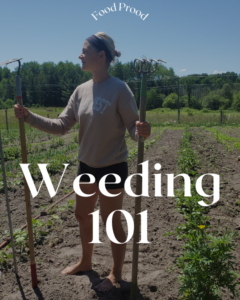

Why Weeding Matters in the Garden (and How to Do It Right)

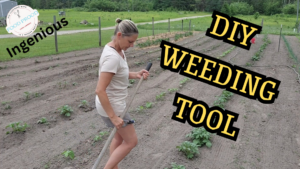
Weeding is one of the most overlooked tasks in the garden, yet it has one of the biggest impacts on plant health and harvests. Weeds compete directly with your crops for water, nutrients, sunlight, and space. Left unchecked, they can quickly undo weeks of careful planting and planning.
Regular weeding isn’t about having a picture-perfect garden — it’s about protecting the plants you’re intentionally growing and giving them the best chance to thrive.
The Best Time to Weed
The most important rule of weeding is simple: weed early and often.
Small weeds are easy to remove and haven’t yet developed deep roots or produced seeds. Once weeds mature, they become tougher to pull and can drop thousands of seeds back into the soil, creating more work for future seasons.
A few minutes of weeding several times a week is far more effective than waiting and tackling an overgrown bed.
Methods to Help with Weeding
Chop and Drop
- Cut or pull weeds and leave them next to or around your plants
- This acts as mulch and adds organic nutrients back to the soil
- Do this before weeds go to seed to prevent spreading
- If weeds have already seeded, consider making weed tea instead
Important
- Avoid using Dawn dish soap or similar soaps for weed spraying—they are toxic to soil life and harmful to your garden’s health.
Working up the Soil
- Continue working up the soil to prevent weeds from getting too large
- Use a weed barrier
- Use compost or wood chips around plants
- Lay down good quality fabric in your walkways if necessary
Use the Weeds for good – Make Weed Tea – FREE Fertilizer