
Broccoli: A Complete Guide for the Homestead Garden

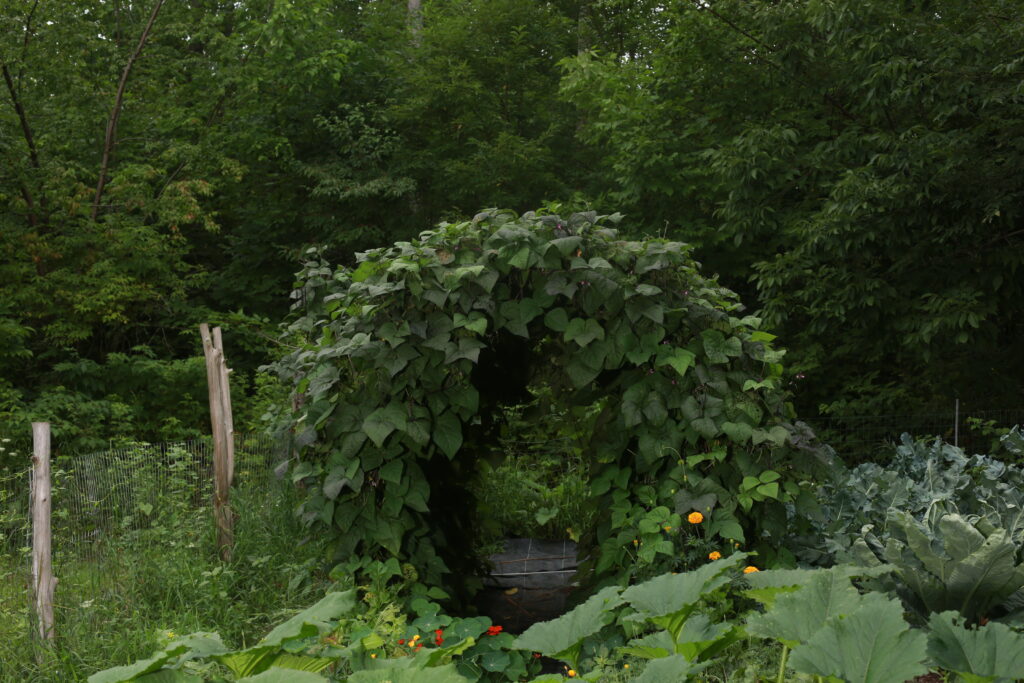
Broccoli is one of the most versatile and nutrient-dense vegetables you can grow in your garden. Packed with vitamins and minerals, it thrives in cooler seasons and rewards gardeners who pay attention to timing, soil, and care. Growing your own broccoli isn’t just about eating fresh—it’s about taking control of your food, building resilience, and creating a legacy of health for your family.
Once you pick your broccoli head do not remove the plant. Watch with amazement how it will continue to give you “lil dippers” throughout the whole season.
Why Grow Broccoli?
Broccoli is more than just a side dish. It’s a powerhouse of nutrition and a staple in many homesteading kitchens. When you grow it yourself:
- You know exactly how it was grown—no pesticides or synthetic fertilizers.
- You can harvest at peak flavor and nutrient content.
- You save money compared to buying fresh from the store.
- You have the satisfaction of growing a resilient, cool-season crop that keeps producing.
Choosing the Right Broccoli Variety
Different varieties perform better depending on your climate, season, and garden goals:
- Calabrese – Classic large-head variety, great for long harvests.
- Sprouting Broccoli – Produces many small heads, often more cold-tolerant.
- Romanesco – Unique appearance, nutty flavor, and fun for kids.
- Early Season Varieties – Good for succession planting in spring.
Planting Broccoli
Timing
- Broccoli thrives in cool weather.
- Start seeds indoors 6–8 weeks before the last frost for spring harvest.
- For fall harvest, plant seeds in midsummer for cooler-season growth.
Soil
- Prefers rich, well-drained soil with lots of organic matter.
- Slightly acidic to neutral pH (6.0–7.0) works best.
Spacing
- Plant seedlings 18–24 inches apart to give them room to grow large heads.
- Rows should be 24–36 inches apart for proper airflow.
Caring for Broccoli
- Water consistently — Broccoli needs steady moisture to avoid bolting.
- Fertilize lightly — High nitrogen encourages leafy growth, but too much can reduce head formation.
- Mulch — Helps retain soil moisture and suppress weeds.
- Pest management — Watch for cabbage worms, aphids, and slugs. Handpicking and row covers work well for small gardens.
Harvesting Broccoli
- Harvest when heads are firm and tight, before buds start to open into yellow flowers.
- Cut the central head first; side shoots will continue producing smaller heads.
- For maximum flavor, harvest in the cool morning hours.
From Seed to Plate
Growing broccoli is just one part of a larger journey toward food freedom. From planting the seed to cooking a fresh harvest, every step teaches patience, observation, and connection to the land.
If you’re ready to grow a variety of nutrient-dense crops and put real food on the table, my Seed to Plate book and gardening journal guide you through every step, from seed starting to delicious recipes.
👉 Learn more and get your copy here: Seed to Plate – Order The Homesteading Gardening Guide & Cookbook by Laura Lawrence – Food Prood – Laura Lawrence