

One Seed Can Feed Your Family for Generations
Learn how to save seeds from your own garden, choose the strongest plants, and build a seed collection that becomes better suited to your growing conditions year after year.
Stop buying every seed, every year.
Your garden is already producing more than vegetables—it is producing the beginning of next year’s garden.
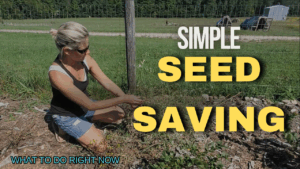
Inside Simple Seed Saving, I’ll show you how to collect, clean, process, and store seeds from the food you’re already growing. We’ll walk through the easy dry-saving methods, the messier wet-saving methods, and even fermentation-style seed saving for crops like tomatoes.
You don’t need a laboratory, a perfect garden, or a complicated seed-storage system.
You simply need to know:
- Which plants are worth saving from
- When the seeds are truly mature
- How different seeds need to be processed
- How to dry and store them properly
- Which varieties will grow true to type
- How to avoid a few common seed-saving mistakes
This is how we stop starting over every spring.
We plant. We grow. We harvest. We save. And then we begin again—using what God has already provided.
When God Provides, You Preserve—even the seeds.


Your Garden Is Already Growing Next Year’s Garden
Every plant has a natural cycle—and seed production is what allows that cycle to begin again.
When we harvest everything before it reaches that stage, we can easily miss what the plant is designed to do next.
Seed saving completes the growing cycle:
Plant the seed.
Grow the food.
Enjoy and preserve the harvest.
Save the seed.
Plant again.
One seed can grow a plant that produces hundreds—or even thousands—of new seeds. That is an incredible return from something small enough to fit in the palm of your hand.

Your Saved Seeds Can Become Better Suited to Your Garden—God’s Amazing Design!
Seeds Become Smarter
Laura lawrence
Your soil.
Your rainfall.
Your growing methods.
Your pests.
Your temperatures.
And, in my case, a short Northern Michigan growing season that likes to keep us humble.
By saving from the plants that perform best in your garden, you begin developing a seed collection with a history in your own soil.
That is something a newly purchased packet simply doesn’t have.

THREE BASIC TYPES OF SEED SAVING
- DRY SEED SAVING – Dry seeds mature inside pods, husks, or dried flower heads. Beans, peas, lettuce, cilantro, radishes, and sunflowers are common examples. The seeds are usually allowed to mature and dry on the plant before being collected, cleaned, and stored.
- WET SEED SAVING – Wet seeds are removed from inside mature fruits. Peppers, squash, zucchini, and pumpkins are common examples. The seeds are separated from the flesh, rinsed when needed, and spread out to dry completely before being stored.
- FERMENTATION-STYLE SEED SAVING – Some seeds are surrounded by a protective gel coating that should be broken down before the seeds are dried and stored. Tomatoes are the most familiar example. The seeds and pulp are allowed to ferment for a short time, helping remove the gel coating and separate healthy, viable seeds from the rest. Don’t let the word fermentation scare the crap outta you—it’s a simple process once you see it done.
Can You Save Seeds from Every Plant?
Not every seed will give you the results you expect.
Open-pollinated and heirloom varieties are generally the best choices for seed saving because their seeds can produce plants with the same characteristics as the parent plant.
Hybrid varieties can still produce seeds, but the next generation may be very different from the plant you originally grew. It may have a different flavor, size, color, yield, or level of disease resistance.
That doesn’t make hybrids bad—it simply means you need to know what you’re growing before deciding which seeds to save.
Inside Simple Seed Saving, we’ll talk about what to look for so you can save with purpose instead of collecting mystery seeds and hoping for the best.


LAURA’S SEED-SAVING RULE
Label it immediately.
Do not tell yourself, “Oh, I’ll remember what these are.”
You will not.
By February, every envelope of tiny brown seeds will look exactly like every other envelope of tiny brown seeds. Ask me how I know.

It really truly does once you stop, pay attention and really notice how cool how one tiny little seed can grow into a huge plant, provide nourishment and then more seeds! It’s amazing!
FREE PRINTABLE SEED PACKETS
Save It. Label It. Plant It Again.
Once your seeds are completely dry, they need a safe—and clearly labeled—place to wait for next year’s garden.
Download and print these free seed-packet templates to help organize the seeds you collect from your garden.
Use them to record:
• Seed or plant variety
• Date collected
• Harvest year
• Where the plant was grown
• Growing notes
• Flavor, color, or other traits you want to remember
Because no matter how certain you are that you’ll remember what those seeds are—you probably won’t.
Trust me. By February, they’ll all look like tiny brown mystery seeds.
Print as many packets as you need and begin saving a little piece of this year’s garden for the next.

Start with the Easy Seeds
You do not need to save every seed from every plant in your garden this year.
Start with one or two easy crops.
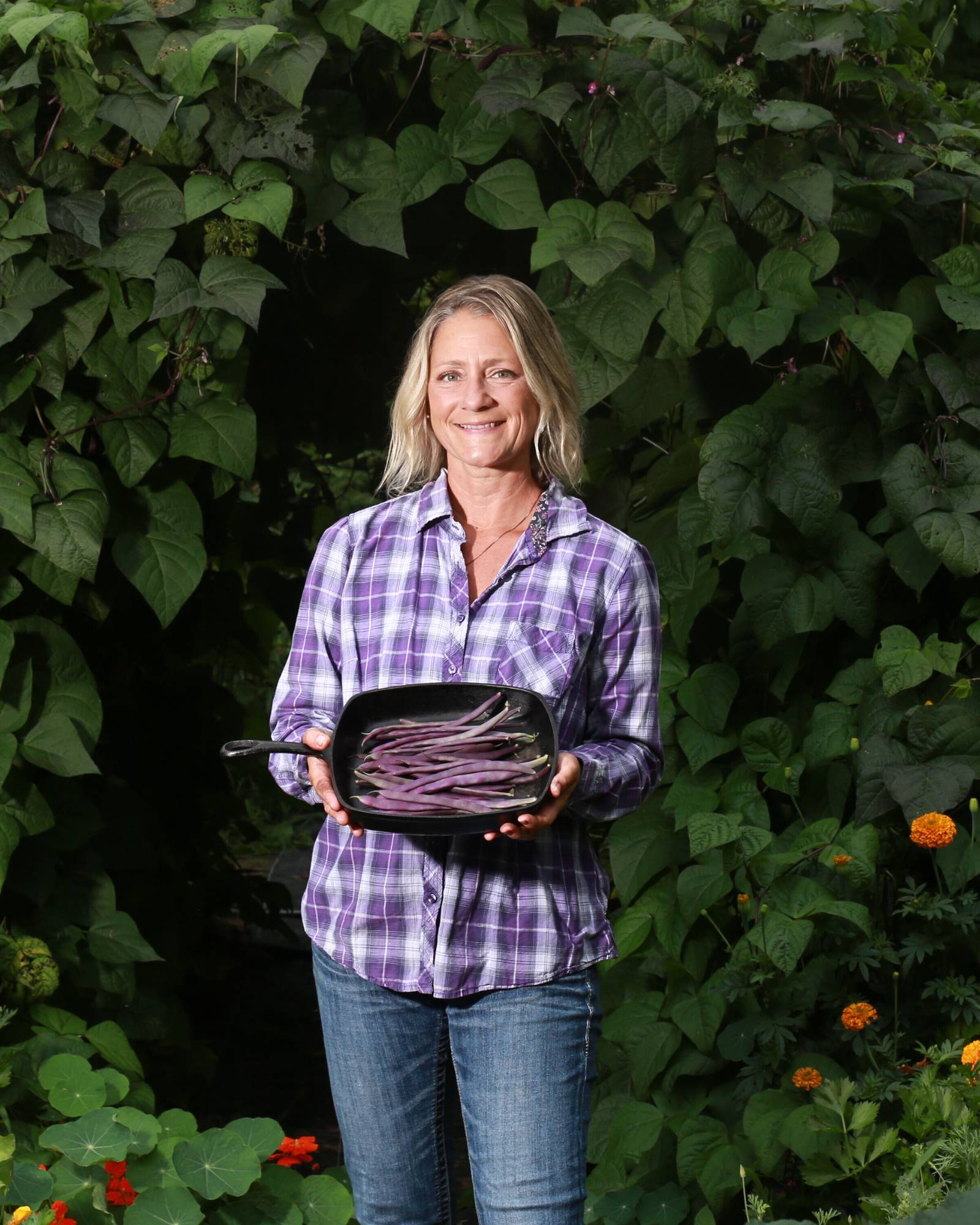
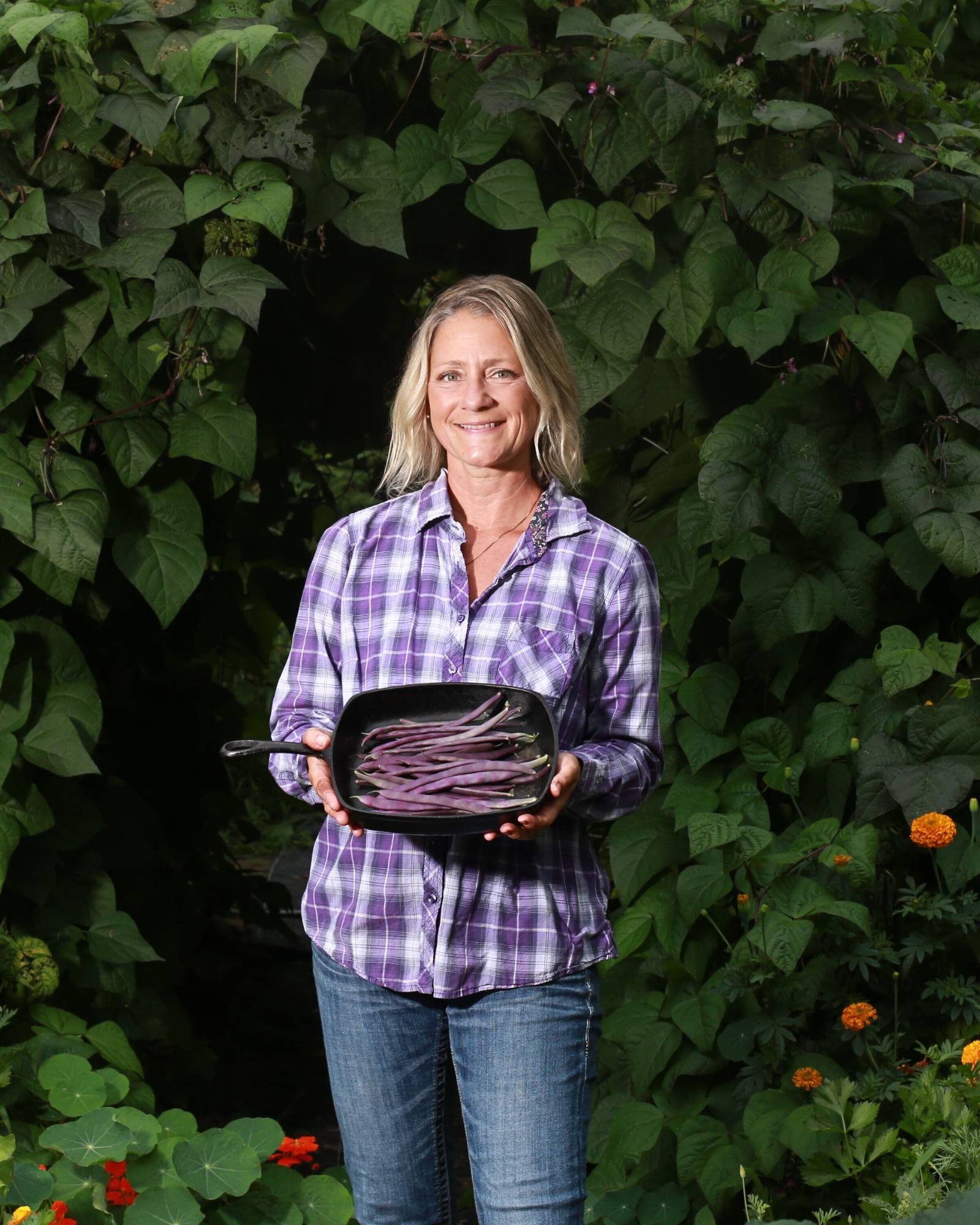
Beans are one of my favorites for beginners. Allow the pods to fully mature and dry, shell the beans, dry them thoroughly, label them, and store them for next year.
Lettuce, peas, cilantro, radishes, and sunflowers can also be wonderful crops for learning dry seed-saving methods.
Once you feel comfortable with those, you can move on to wet-processing crops such as peppers, cucumbers, and squash—and then learn fermentation-style seed saving with tomatoes.
One plant. One variety. One jar of seeds.
That is how a family seed collection begins.
What About Cross-Pollination?
Some plants mostly pollinate themselves. Others rely heavily on insects or wind and can cross with compatible varieties growing nearby.
Cross-pollination may not change the food you harvest this year—but it can affect the plants grown from those seeds next year.
That is why seed savers need to understand:
• Which plants are likely to cross
• Which varieties can cross with one another
• When spacing or isolation may be needed
• When saving from only one variety keeps things simpler
You do not have to memorize everything before you begin. Start with a few forgiving crops, learn how they reproduce, and build your skills one season at a time.
Save from Your Best—Not Just What’s Left
Good seed saving begins before you collect a single seed.
Pay attention to the plants that:
• Grow vigorously in your garden
• Handle your weather well
• Resist pests and disease
• Produce abundantly
• Have the flavor, color, and size you want
• Mature within your growing season
It can be tempting to eat all the beautiful produce and save seeds from whatever is left at the end of the season.
But if you want strong future gardens, choose seeds from the plants you would be excited to grow again.
You aren’t just saving seeds—you’re selecting the traits you want to carry forward.
Ready to take control of your garden, your food, and your future?
Learn how to save seeds the right way—with my step-by-step online course that includes 17 educational videos and a full-color printable workbook to guide you every step of the way.
You can certainly begin saving a few of the easier seeds on your own. But when you’re ready to understand which plants to choose, when seeds are truly mature, how to prevent unexpected crosses, and which processing method each crop needs, I’ll walk you through it step by step.
✨ What You’ll Get:
- 🎥 17 In-Depth Videos showing exactly how to save seeds from common garden crops
- 📘 Printable Workbook with tips, steps, and space for notes
- 💬 Ongoing Support so you’re never left wondering what to do next
- 🌍 Lifetime Access – Learn at your own pace, on your own time
Get lifetime access to Simple Seed Saving for $49.